
New Jersey Businesses: Your Energy Bills Just Jumped 17–20%. Here's Exactly What to Do Before August Ends
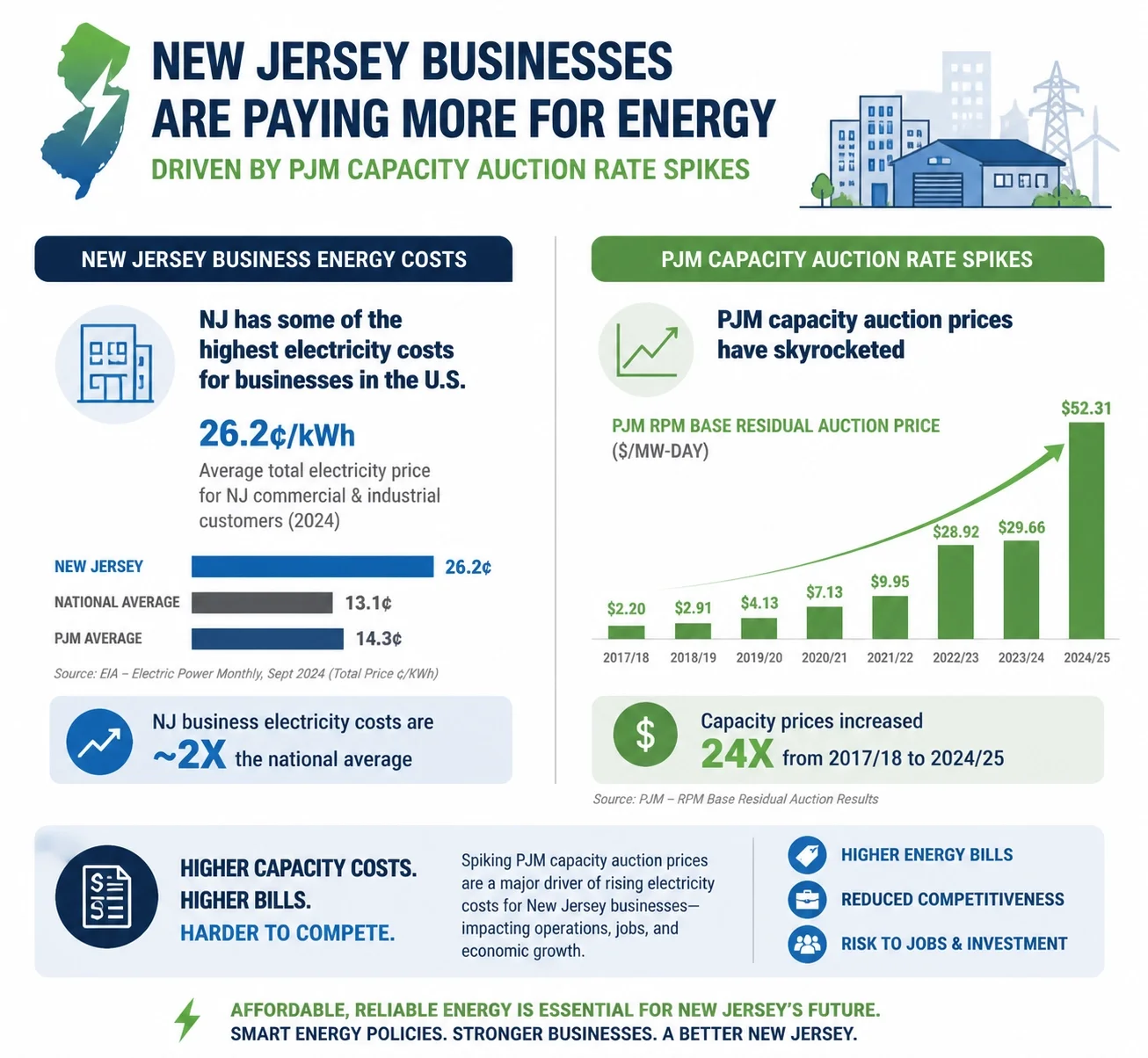
If you run a business in New Jersey, open your latest electricity statement. Chances are, you are staring at a bottom line that is 17% to 20% higher than what you budgeted for at the start of the year. For local manufacturers, hospitality groups, retail centers, and commercial real estate portfolios, this sudden surge is not a billing error. It is the direct result of recent structural shocks in the regional power grid.
Managing business energy costs NJ has never been more challenging. With the summer cooling season peaking and wholesale market pressures intensifying, business owners find themselves absorbing costs that threaten profit margins. However, waiting until the fall to address these expenses is a costly mistake. August represents a critical operational window to audit your contracts, evaluate your exposure, and lock in protective rates before autumn market adjustments take hold.
Here is a comprehensive look at what is driving these increases and the exact steps you can take right now to regain control of your energy overhead.
1. Understanding the Culprit: The PJM Capacity Market Shock
To fix a problem, you first need to understand its source. The primary driver behind the recent utility rate hikes across the Garden State is the PJM Interconnection capacity auction.
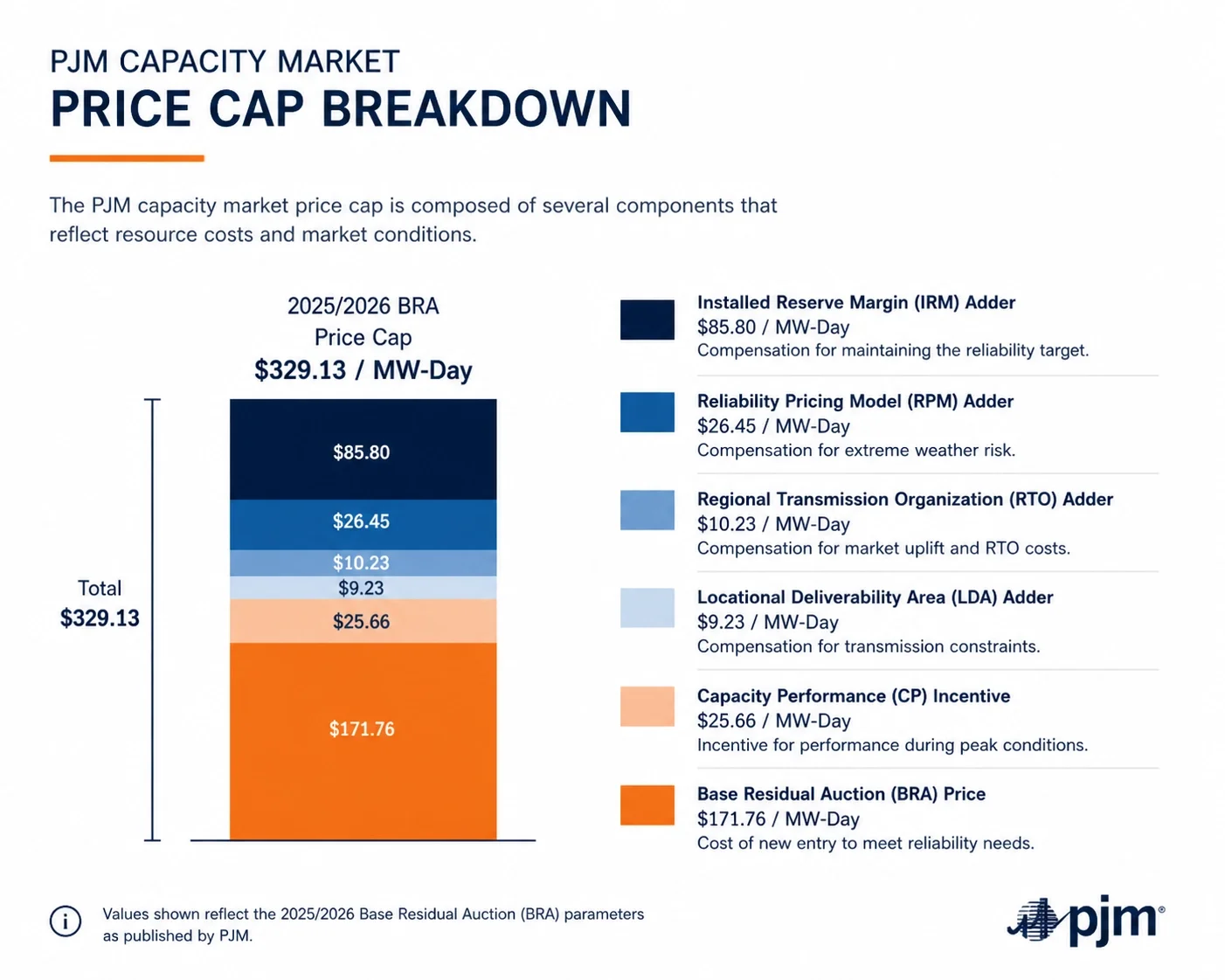
PJM manages the high-voltage electric grid for 13 states and Washington, D.C., including all of New Jersey. To ensure grid reliability during extreme weather events, PJM runs capacity auctions where power generators bid to supply electricity ahead of time. In the most recent Base Residual Auction, clearing prices hit the federal regulatory price cap of $329.17 per megawatt-day (MW-day).
This represents a staggering 22% jump over the previous delivery year's record-setting prices.
When compared to historical baselines from just a few years ago: when capacity traded below $30/MW-day: the cumulative impact translates directly into a 17% to 20% retail bill escalation for commercial customers.
Surging electricity demand from expanding data centers, grid modernization requirements, and generator retirements have created a permanent structural shift in wholesale energy markets.
For your business, this means that energy pricing is no longer operating under "business as usual" conditions. Ignoring these market dynamics exposes your operating budget to severe, unmitigated volatility.
2. Default Utility Supply vs. Competitive Procurement: Where Do You Stand?
When facing rising utility bills, many business owners assume their local electric distribution company (EDC): such as PSE&G, JCP&L, Atlantic City Electric, or Rockland Electric: sets the absolute best available rate. In reality, remaining on default utility supply through the Basic Generation Service (BGS) can leave money on the table.
Default rates are structured around standardized auction blocks managed by the New Jersey Board of Public Utilities (NJBPU). While convenient, they expose your enterprise to broad market averages without customization.
The Pass-Through Trap: Many commercial supply agreements feature hidden pass-through clauses where PJM capacity charges float dynamically. As capacity clearing prices surge to $329.17/MW-day, your monthly invoice absorbs the blow automatically.
The Power of Choice: New Jersey is a fully deregulated energy market. This means you have the legal right to shop for third-party energy suppliers rather than accepting default utility rates.
As explored in our detailed guide on deregulated energy strategies, partnering with independent experts allows you to separate out volatile capacity components and secure fixed rates that shield your enterprise from seasonal shocks.
3. Four Actionable Steps to Take Before August Ends
Time is running out to capitalize on favorable late-summer market positioning before autumn demand shifts begin. If you want to protect your Q4 operating budget, execute these four strategic steps before August concludes:
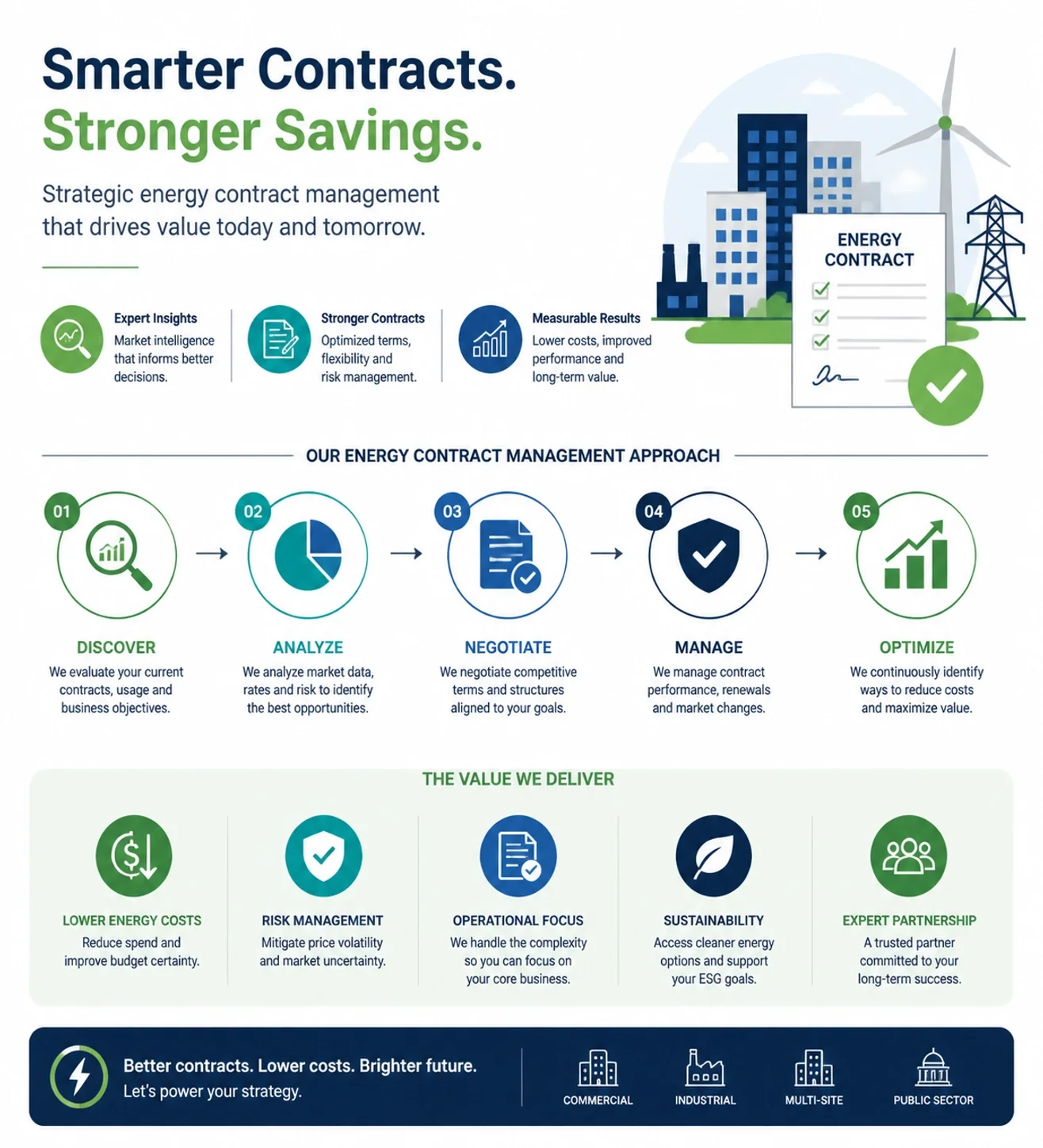
Step 1: Conduct a Comprehensive Energy Contract Audit
Pull your past three months of utility bills. Identify whether your current supply agreement utilizes a fixed-rate structure or an index/pass-through model. If your contract leaves you vulnerable to PJM capacity adjustments, note your exact contract expiration date so you can time your exit or renewal.
Step 2: Evaluate Your Peak Load Contribution (PLC) Tag
Your business's energy consumption during regional peak hours dictates your PLC tag, which directly influences your capacity charges for the upcoming year. Review your interval data to identify high-usage spikes and implement immediate demand-response or load-shifting protocols during forecasted heat waves.
Step 3: Leverage Independent Market Expertise
Never rely on single-supplier sales reps who only offer their own proprietary products. Work with an independent energy consulting firm that has no supplier affiliations. True independence ensures that your consultant scans dozens of competing wholesale suppliers to bid aggressively for your business.
Step 4: Lock in Long-Term Fixed Rates
With capacity prices projected to remain elevated through future delivery years, securing a multi-year fixed-rate contract now locks in predictable overhead. Waiting until winter heating demand spikes risks missing the optimal procurement window.
4. How Independent Energy Consulting Protects Your Bottom Line
Navigating wholesale energy markets while running a demanding business operations schedule is nearly impossible without dedicated market intelligence. That is where professional guidance transforms an expense line item into a strategic advantage.
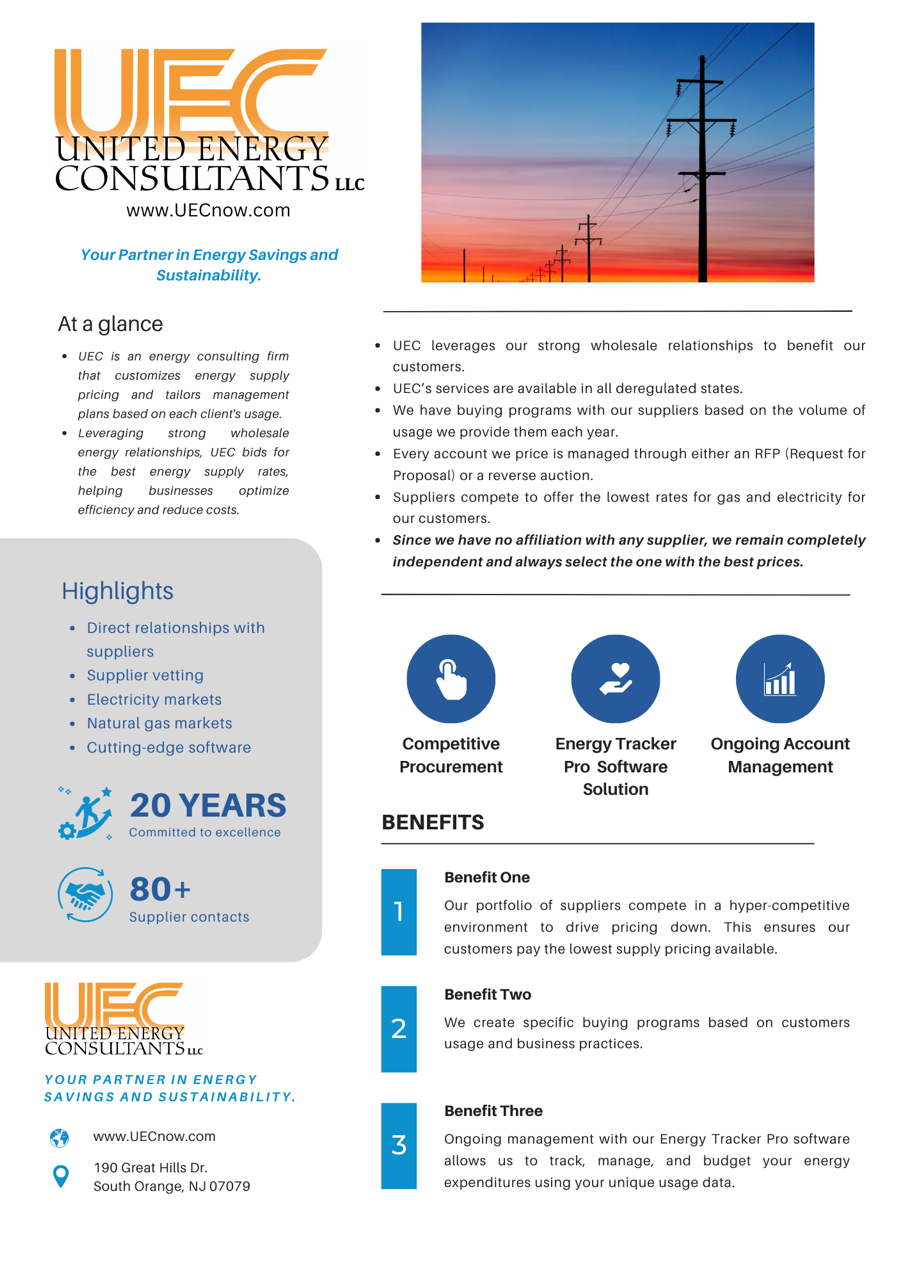
At United Energy Consultants, we bring over 20 years of industry experience and strong wholesale relationships to the table. Our approach is built on a foundation that puts your enterprise first:
100% Independence: We maintain zero supplier affiliations. We work solely for your best interests to negotiate the absolute lowest wholesale rates available across deregulated states.
Zero Out-of-Pocket Costs: Our consulting and contract negotiation services operate with zero upfront or hidden fees to our clients.
Proprietary Utility Management: Through our advanced Energy Tracker Pro software, we monitor your usage data, audit historical utility billing errors, and track your efficiency gains in real time.
Customized Buying Strategies: Whether you manage a manufacturing plant, a hotel portfolio, a restaurant group, or commercial real estate, we tailor your procurement strategy around your specific load profile and operational hours.
Take Action Today
A 17% to 20% jump in electricity costs can instantly erode your quarterly profitability if left unchecked. But with the right strategy and expert advocacy, you can neutralize these market shocks and secure stable, predictable energy pricing before summer ends.
Don't wait for your next billing cycle to deliver another unpleasant surprise. Visit our main website or explore our latest insights on the UEC Blog to learn more about how we help businesses reduce overhead.
Ready to stop overpaying for electricity? Contact United Energy Consultants today for a completely free, no-obligation energy review and discover how much you can save before August ends.