
Stop the Holiday Energy Drain: Smart Tips to Reduce Waste This December
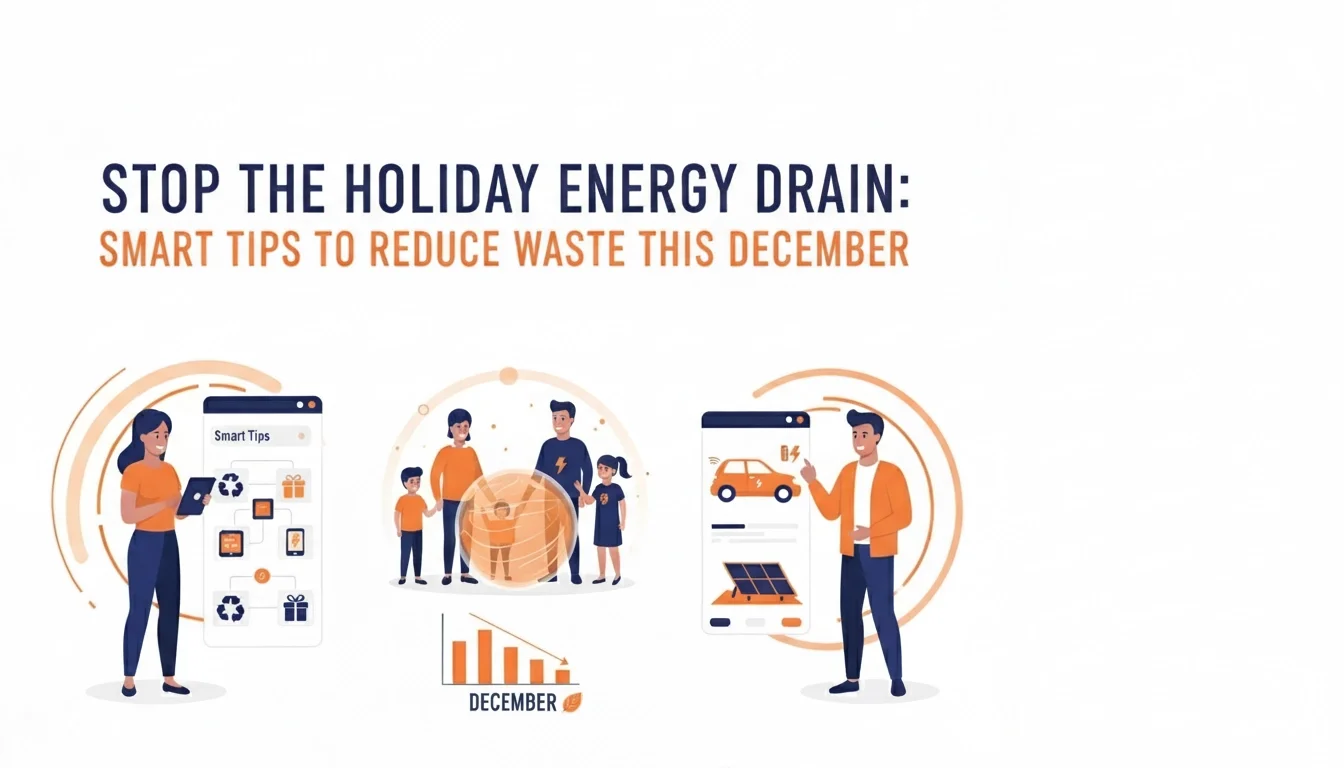
The holiday season brings joy, celebration, and unfortunately for business owners, skyrocketing business energy costs. Between extended operating hours, festive lighting displays, increased heating demands, and holiday parties, December can deliver an unwelcome surprise on your next electricity bill. But here's the good news: with smart planning and a few strategic changes, you can keep your business merry and bright without breaking the bank on electricity rates.
As we head into the busiest shopping season, your business likely needs to stay open longer, run more equipment, and create that perfect holiday atmosphere for customers. The key isn't avoiding all holiday energy use: it's being smart about how you use it. Let's dive into practical strategies that'll help you reduce energy costs while keeping your business competitive and customers happy.
Light Up Your Business the Smart Way
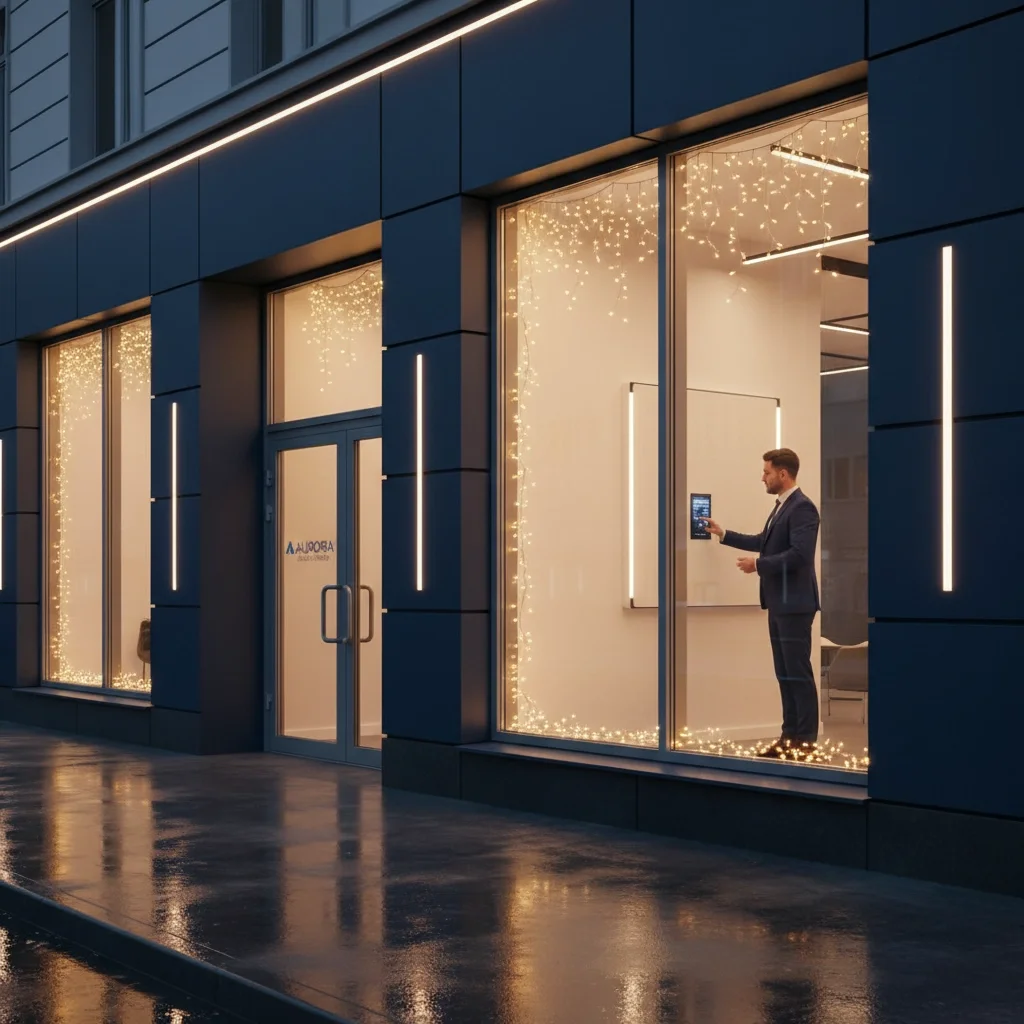
Your holiday lighting display can be a major customer draw, but it doesn't have to drain your budget. LED holiday lights are your best friend here: they use up to 75% less energy than traditional incandescent bulbs and last significantly longer. When you're decorating an entire storefront or office building, those savings add up fast.
Here's a smart move many business owners miss: install timers and smart plugs for all your holiday decorations. There's no reason your display needs to run from dusk until dawn when your business closes at 9 PM. Set those lights to turn off automatically when foot traffic dies down. Smart plugs also eliminate phantom energy draw: that sneaky electricity consumption that happens even when devices are "off."
For outdoor displays, consider solar-powered decorations where possible. They charge during daylight hours and automatically activate at night without touching your electricity meter. Plus, customers love businesses that show environmental responsibility.
Pro tip: If you're using your existing business lighting more during extended holiday hours, this might be the perfect time to upgrade to LED fixtures. Many utility companies offer rebates for commercial LED upgrades, and the energy savings continue long after the holidays end.
Master Your Heating and Cooling Strategy
December weather means your HVAC system is working overtime, especially with doors opening frequently as customers come and go. But here's where smart utility management can save you serious money.
Lower your thermostat by 2-3 degrees before busy shopping periods or events. The combination of body heat from crowds, heat generated by electronics and lighting, plus any cooking or food service will naturally warm your space. Your customers won't notice the slight temperature reduction, but your energy bill certainly will.
For businesses hosting holiday parties or events, coordinate your HVAC settings with your schedule. Turn down the heat during setup when spaces are empty, then let natural warming from people and activities do the work. After events, drop temperatures back down for overnight periods.
If your business operates in multiple zones, use programmable thermostats to heat only occupied areas during extended holiday hours. There's no point heating storage rooms, offices, or sections of your building that customers don't access during evening or weekend holiday operations.
Kitchen and Food Service Efficiency
For restaurants, cafes, or any business serving food during the holidays, your kitchen becomes a major energy consumer. The good news? Kitchen efficiency improvements often provide the fastest return on investment.
Batch your cooking operations whenever possible. Instead of running ovens throughout the day for small orders, plan cooking schedules that maximize oven use during specific windows. Turn off ovens 10-15 minutes before items finish cooking to use residual heat: this technique works especially well for baked goods and roasted items popular during holidays.
Keep oven and refrigerator doors closed as much as possible. Every time those doors open, your equipment has to work harder to return to target temperatures. Train staff to gather everything they need before opening, and consider installing strip curtains on walk-in coolers if you don't already have them.
For smaller cooking tasks, use countertop appliances instead of full-size ovens. Microwaves, toaster ovens, and slow cookers use significantly less energy and generate less heat: meaning your air conditioning won't work as hard to compensate.
Equipment and Technology Management
Your business technology and equipment probably work harder during the holidays, but that doesn't mean they need to work inefficiently. Energy management software can help you track usage patterns and identify opportunities for savings, but there are simpler steps you can take immediately.
Audit your equipment schedules. Do printers, copiers, and non-essential electronics really need to run overnight during extended holiday hours? Set up power strips with timers to cut phantom loads on equipment that doesn't need 24/7 operation.
For retail businesses, optimize your display lighting and point-of-sale systems. Modern LED track lighting with motion sensors can maintain attractive product displays while reducing energy use in low-traffic periods. Consider whether all your display cases need full lighting during late evening hours when fewer customers are shopping.
Water heater settings often get overlooked, but if your business has significant hot water needs, lowering the temperature by just 10 degrees can reduce energy consumption by 3-5%. For businesses that close for holiday periods, consider vacation mode settings.
Extended Hours Strategy
Many businesses extend operating hours during the holiday shopping season, and that's smart business: but it requires smart energy consulting thinking too. Instead of simply running everything longer, optimize for peak efficiency during these extended periods.
Zone your lighting so you can illuminate customer areas fully while dimming or turning off lights in storage, office, or service areas that customers don't access during extended hours. Use task lighting for employees working in back-of-house areas instead of full overhead lighting.
Schedule equipment maintenance before the busy season hits. Clean HVAC filters, service refrigeration units, and ensure all equipment runs at peak efficiency. Equipment that's working harder during busy periods needs to work smarter, not just longer.
Consider staggered schedules for non-essential equipment. Does every computer, printer, and display need to run during the full extended hours? Create schedules that match equipment use to actual business needs during different time periods.
Smart Technology Solutions
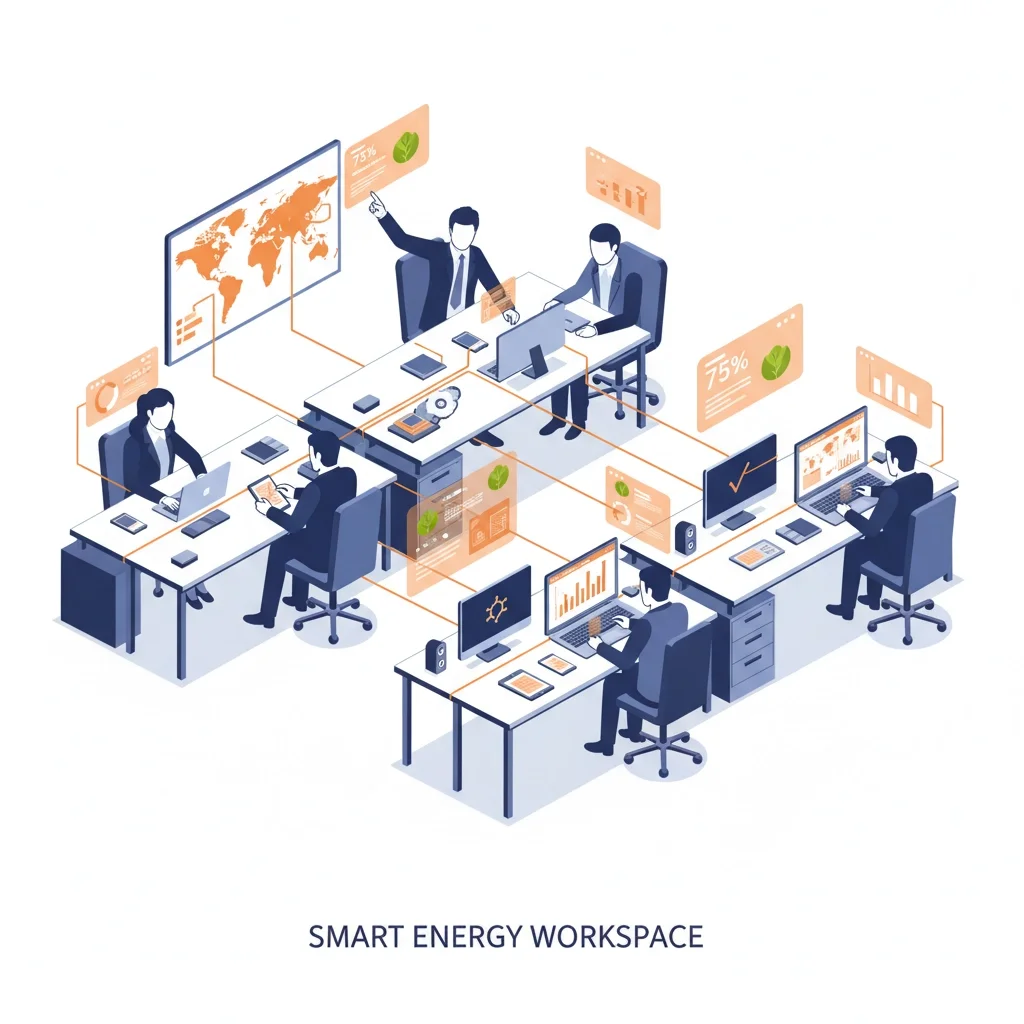
This is where modern utility management really shines. Smart thermostats, occupancy sensors, and automated lighting controls can manage energy use without requiring constant attention from you or your staff.
Motion-activated lighting works particularly well in storage areas, restrooms, and employee break rooms during extended holiday hours. Lights automatically adjust to actual occupancy instead of running constantly "just in case."
Smart power strips can automatically cut power to peripherals when main devices shut down. For example, when the main computer turns off, connected printers and monitors automatically power down too, eliminating standby power draw.
Energy monitoring apps can send you real-time alerts about unusual energy spikes, helping you catch problems before they show up on your bill. Many utility companies now offer business customers access to hourly usage data through online portals: use this information to identify patterns and opportunities.
Planning Ahead for Maximum Savings
The smartest energy strategy starts with planning before peak season hits. Review your energy contracts now: if you're in a deregulated energy market, December might not be the best time to negotiate new rates, but planning for post-holiday contract renewals can save significant money.
Coordinate with your utility company about demand charges if your business qualifies. Some utilities offer time-of-use rates that could work in your favor if you can shift some energy-intensive operations to off-peak hours.
Consider energy-efficient equipment upgrades that you can implement during slower post-holiday periods. The savings from LED lighting, efficient appliances, or upgraded HVAC systems will benefit your business year-round, not just during holiday seasons.
Taking Action This December
The holiday season doesn't have to mean accepting higher business energy costs as inevitable. With strategic planning, smart technology use, and attention to the details, you can create an inviting, well-lit, comfortable environment for customers while keeping energy expenses under control.
Start with the quick wins: timer-controlled decorative lighting, thermostat adjustments during busy periods, and equipment audits for extended hours operation. These changes require minimal investment but can deliver immediate savings.
For longer-term benefits, consider this holiday season a testing ground for energy management strategies you can refine and improve year after year. Track your usage, note what works best for your specific business type and customer patterns, then use that data to make even smarter decisions next year.
Remember, every dollar you save on energy costs is a dollar that can go toward inventory, marketing, or business growth. Smart energy management isn't just about reducing waste; it's about maximizing your business's profitability during the most important sales season of the year.