
Cutting Costs, Not Gains: How Gyms & Fitness Studios Can Reduce Energy Expenses
Running a gym or fitness studio means juggling member satisfaction with operational costs: and energy expenses often represent one of your biggest monthly headaches. Between keeping your facility comfortable, powering equipment, and maintaining hot water for showers, those utility bills can quickly spiral out of control.
The good news? You don't need to compromise your members' experience to slash those business energy costs. Smart energy management can reduce your monthly bills by 20-40% while actually improving your facility's comfort and functionality.
1. Tackle Your HVAC System First (Your Biggest Energy Consumer)
Your heating, ventilation, and air conditioning system typically accounts for 40-60% of your total energy consumption. That makes HVAC optimization your highest-impact opportunity for reducing energy costs.
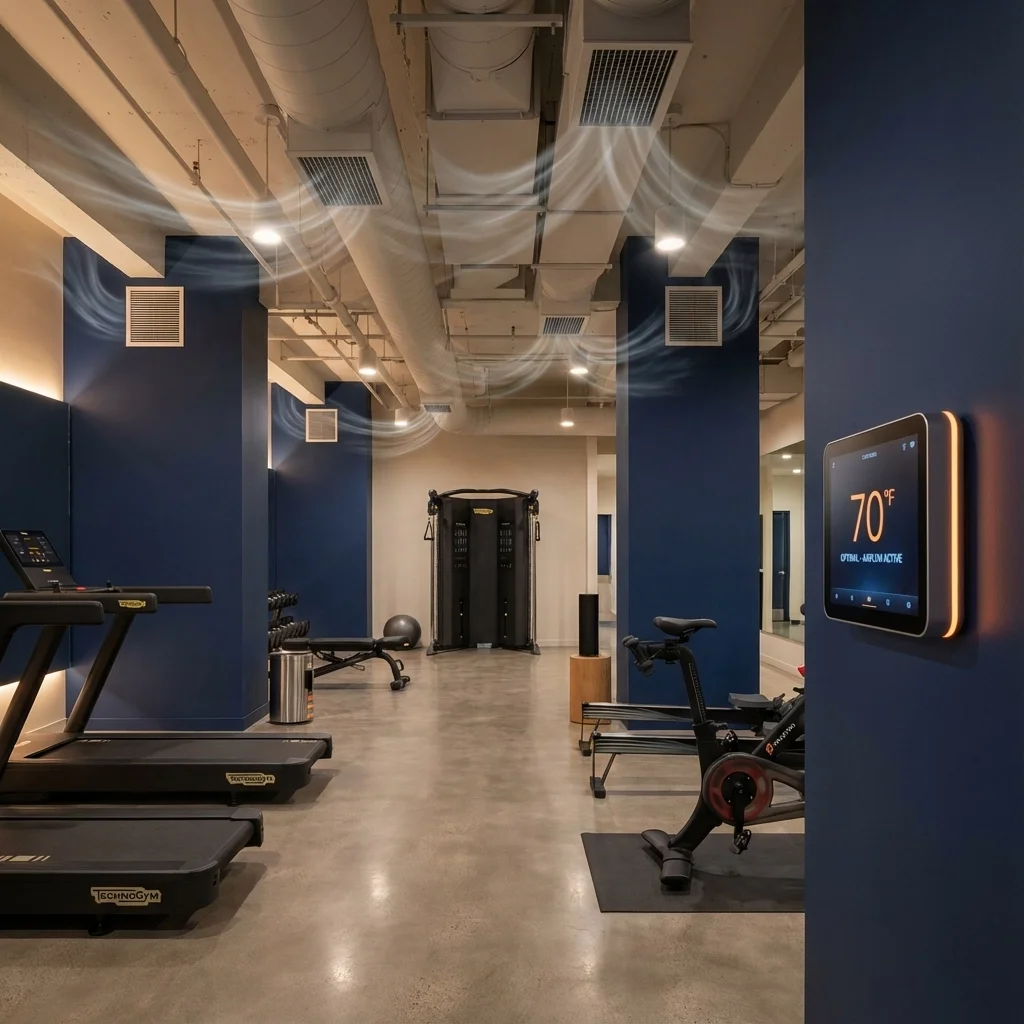
Upgrade to Smart Thermostats and Controls
Replace basic thermostats with programmable smart systems that automatically adjust temperatures based on:
Daily class schedules and peak usage times
Real-time occupancy data
Weather conditions and seasonal changes
Different zones within your facility
Modern HVAC controls can reduce energy consumption by 20-40% by ensuring you're not heating or cooling empty spaces during off-peak hours.
Implement Zoning Strategies
Create separate climate zones for different areas of your gym:
Cardio areas typically need more cooling due to equipment heat
Weight rooms can operate at slightly higher temperatures
Locker rooms and offices require different comfort levels than workout spaces
This targeted approach prevents energy waste while maintaining optimal conditions where your members need them most.
Consider Heat Recovery Systems
If you're planning major HVAC upgrades, heat recovery ventilators can capture warm air from your facility and use it to pre-heat incoming fresh air. This technology is particularly effective in facilities with high ventilation requirements.
2. Switch to LED Lighting (Fast Payback, Big Savings)
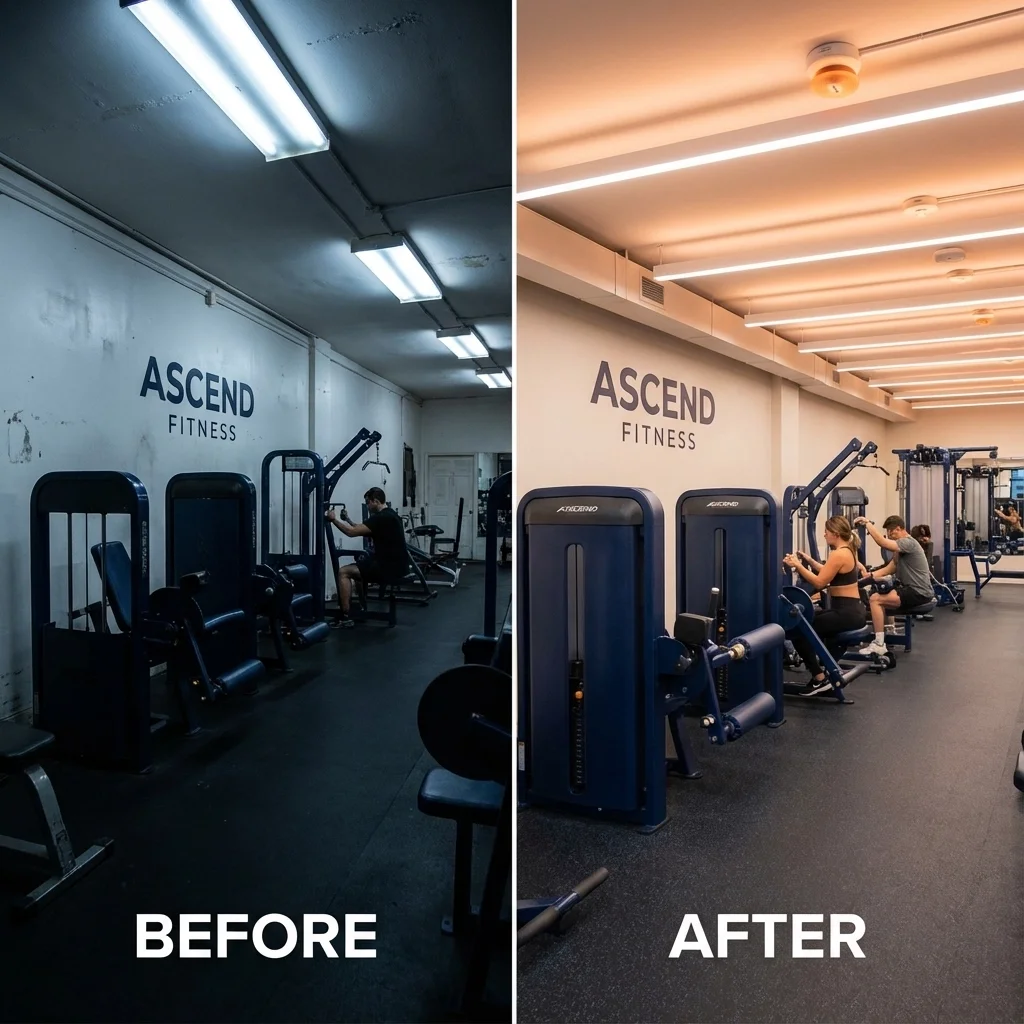
Lighting upgrades offer the quickest return on investment among all energy improvements. LED lighting can cut your lighting costs by 50-70% with payback periods of just 1-2 years.
Strategic LED Conversion
Focus your LED upgrades on:
High-usage areas like main workout floors and locker rooms
Always-on spaces such as emergency exits and 24/7 access areas
High-intensity zones where you currently use multiple fluorescent fixtures
Add Smart Controls
Maximize your lighting savings with:
Occupancy sensors in storage areas, bathrooms, and low-traffic zones
Daylight sensors that dim artificial lighting when natural light is sufficient
Scheduling systems that automatically reduce lighting during off-peak hours
These controls can boost your LED savings by an additional 20-30%.
3. Optimize Water Heating and Usage
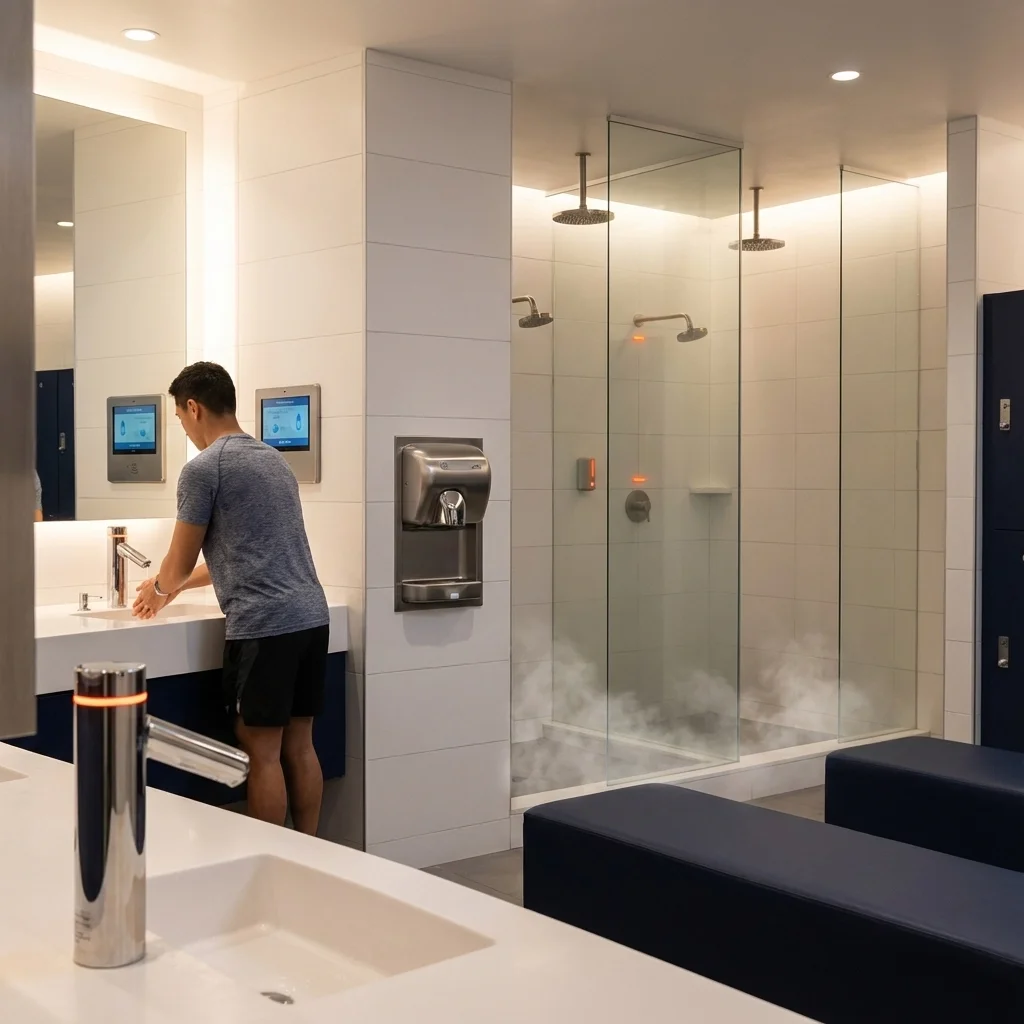
Hot water for showers, cleaning, and equipment represents a significant portion of your energy bill. Water heating optimization can reduce consumption by 30-50%.
Upgrade Your Water Heating System
Consider these efficient options:
Heat pump water heaters that use 60-70% less energy than traditional electric units
Tankless systems for facilities with variable demand patterns
Solar water heating as a long-term investment in sunny climates
Install Water-Saving Fixtures
Simple upgrades can dramatically reduce hot water demand:
Low-flow showerheads (2.0 GPM or less) that maintain pressure while using less water
Automatic faucets with timed shut-offs
Efficient pre-rinse sprayers for cleaning equipment
4. Leverage Energy Management Software
Modern energy management software gives you real-time visibility and control over your facility's energy consumption. These systems use machine learning to optimize your energy usage automatically.
Key Features to Look For
Effective energy management platforms should provide:
Real-time monitoring of electricity, gas, and water usage
Automated alerts when consumption spikes unexpectedly
Demand response capabilities to reduce usage during peak rate periods
Historical analysis to identify trends and optimization opportunities
Practical Applications
Energy management systems can:
Pre-cool your facility before peak rate periods
Automatically adjust equipment settings based on occupancy
Schedule maintenance reminders for optimal equipment efficiency
Track the performance of your energy-saving initiatives
5. Upgrade to Energy-Efficient Fitness Equipment
While individual machines may not consume as much energy as your HVAC system, collectively your equipment can represent 15-25% of your total electricity usage.
Modern Equipment Benefits
Energy-efficient fitness equipment offers:
Power-saving modes that reduce consumption during idle periods
Self-generating capabilities on some cardio machines that feed energy back into your electrical system
LED displays that use less power than traditional screens
Variable speed motors that adjust power consumption based on usage intensity
Smart Scheduling
Use utility management strategies to:
Schedule equipment maintenance during off-peak rate periods
Rotate equipment usage to prevent all machines from drawing peak power simultaneously
Implement automatic shut-off timers for equipment that's not in use
6. Take Advantage of Demand Response Programs
Many utilities offer demand response programs that pay businesses to reduce energy consumption during peak periods. These programs can provide both immediate bill reductions and ongoing incentive payments.
How It Works
During peak demand periods, you'll receive signals to:
Temporarily raise thermostat settings by 2-4 degrees
Reduce lighting in non-essential areas
Delay non-critical equipment operations
Shift energy-intensive activities to off-peak hours
Financial Benefits
Participating gyms typically see:
Immediate bill reductions of 10-20% during peak periods
Annual incentive payments of $50-200 per kW of reduced demand
Priority status for utility rebates and efficiency programs
7. Conduct Regular Energy Audits
An annual energy audit helps you track progress and identify new opportunities for savings. Professional audits typically cost $0.10-0.30 per square foot but can identify improvements worth thousands in annual savings.
DIY Monitoring Tips
Between professional audits, monitor:
Monthly utility bills for unusual spikes or trends
Equipment runtime to ensure systems aren't running unnecessarily
Temperature variations across different zones
Member feedback about comfort issues that might indicate inefficient operation
Smart Energy Contracts Save Money Too
Beyond operational efficiency, your energy contracts significantly impact your monthly costs. In deregulated energy markets, you have the power to choose your supplier and rate structure.
Key Contract Considerations
Wholesale energy rates vs. fixed retail rates
Demand charges and how to minimize them
Contract terms that align with your business cycles
Green energy options that may qualify for tax incentives
Working with experienced energy consulting professionals can help you navigate these options and secure rates that complement your efficiency efforts.
For more guidance on energy contracts, check out our essential guide for business owners.
Start Small, Think Big
You don't need to implement every strategy at once. Begin with high-impact, low-cost improvements like LED lighting and smart thermostats, then reinvest your savings into more substantial upgrades.
The fitness industry's focus on member experience and operational efficiency makes it particularly well-suited for energy optimization. Your members want a comfortable, well-lit environment: and smart energy management delivers exactly that while reducing your operating costs.
Ready to cut your energy expenses without cutting corners on member satisfaction? The strategies above can transform your utility bills from a monthly headache into a competitive advantage. Start with an energy audit to identify your biggest opportunities, then implement improvements systematically to maximize your return on investment.