
Understanding New Jersey's Electricity Mix and Environmental Impact: What It Means for Your Business

If you're managing energy costs for your business in New Jersey, understanding the state's electricity mix isn't just about compliance: it's about making smarter financial and strategic decisions. Recent changes in New Jersey's energy landscape are directly impacting your bottom line, and knowing what's behind your electric bill can help you navigate these challenging times.
What Powers New Jersey's Grid?
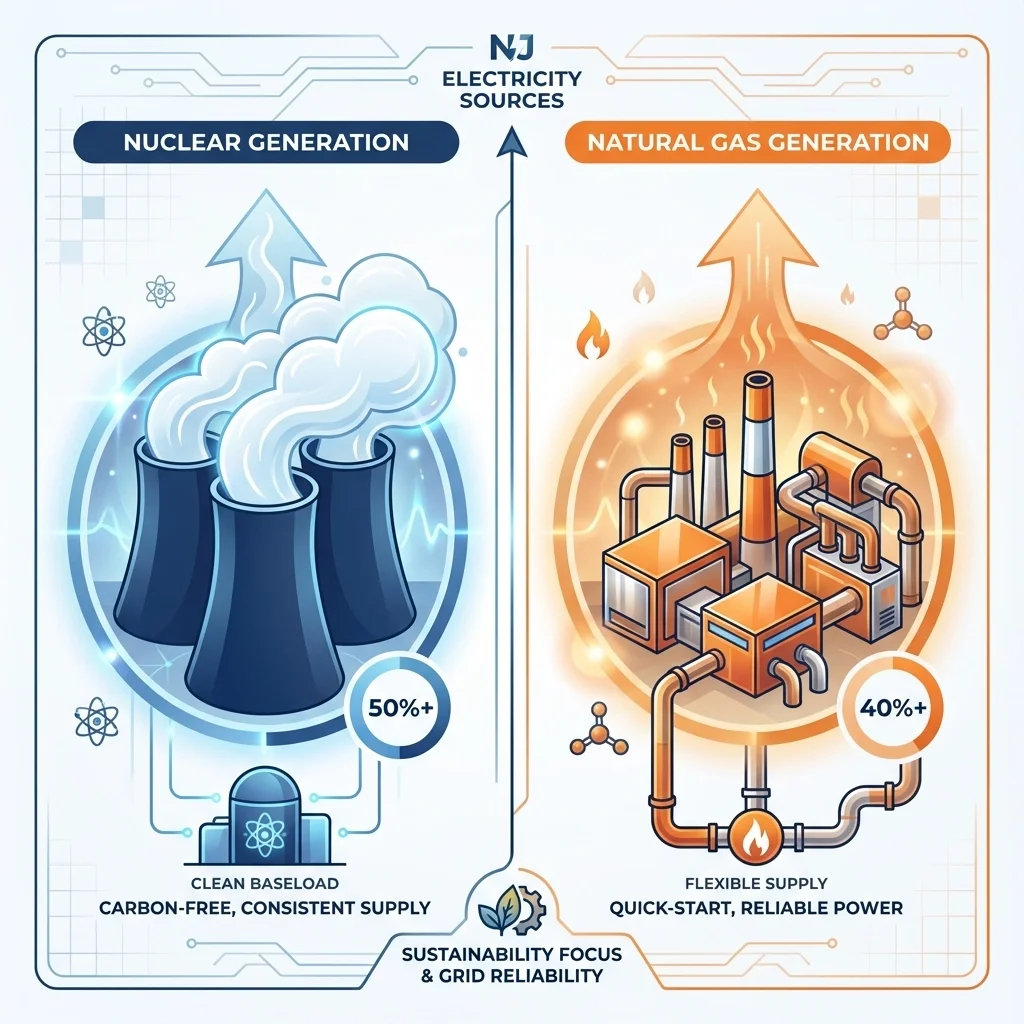
New Jersey's electricity generation relies heavily on two primary sources that together account for nearly all power production in the state. Natural gas represents 49% of New Jersey's net electricity generation as of 2023, making it the dominant fuel source. Nuclear energy makes up most of the remaining generation, creating a power mix that's quite different from many other states.
This composition means your business is primarily powered by:
Natural gas-fired power plants that can ramp up and down quickly to meet demand
Nuclear facilities that provide consistent, around-the-clock baseload power
Limited renewable energy sources like solar and wind, which represent a much smaller portion of the mix
For business owners, this mix has both advantages and drawbacks. Natural gas plants offer flexibility and relatively lower emissions compared to coal, while nuclear provides reliable, carbon-free electricity. However, both sources expose your business to commodity price volatility and regulatory changes.
Environmental Impact: What the Numbers Mean for Your Business
The current electricity mix creates specific environmental implications that increasingly matter for business operations, especially as sustainability reporting and ESG (Environmental, Social, and Governance) requirements become more common across industries.
Air Emissions Profile:
New Jersey's heavy reliance on natural gas means your electricity consumption contributes to:
Carbon dioxide emissions from gas combustion
Lower sulfur dioxide and nitrogen oxide emissions compared to coal-heavy states
Minimal particulate matter compared to older fossil fuel technologies
Nuclear's Role:
The significant nuclear component in New Jersey's mix means:
A substantial portion of your electricity is carbon-free
Lower overall carbon intensity compared to coal-dependent regions
Reduced air pollution from power generation
For businesses tracking their carbon footprint or working toward sustainability goals, New Jersey's electricity mix offers both challenges and opportunities. While the state isn't powered primarily by renewables, the nuclear component significantly reduces overall emissions compared to coal-heavy grids.
Rate Increases Hit Business Budgets Hard
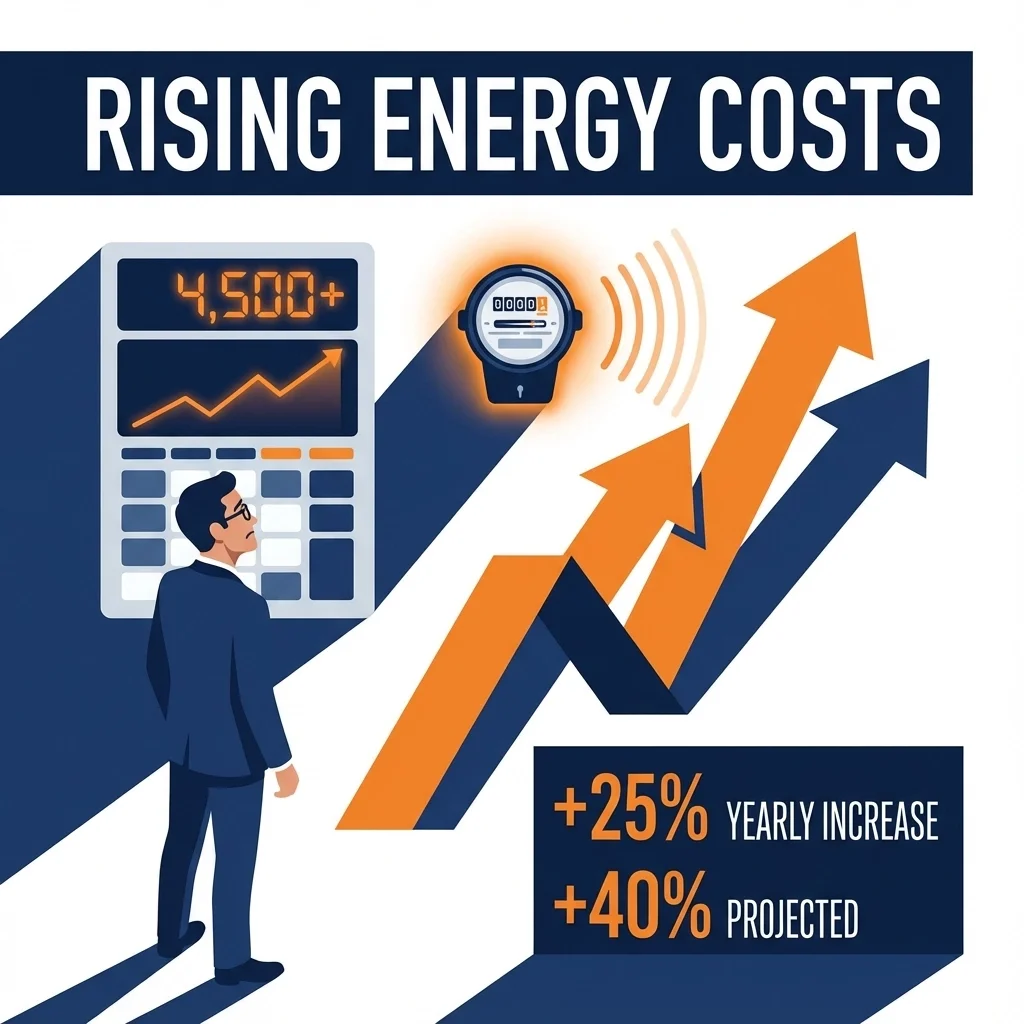
Here's where the electricity mix directly impacts your operating costs. Effective June 1, 2025, New Jersey businesses saw electric rates increase by 17% to 20% depending on their utility provider. The average commercial rate jumped from $0.20 per kWh to $0.26 per kWh: a significant increase that's adding thousands of dollars to annual energy bills for most businesses.
What's driving these increases?
Grid Capacity Crisis: New Jersey's available excess capacity plummeted from over 16,000 MW in 2024/2025 to just 500 MW in 2025/2026: a staggering 97% reduction. This capacity crunch creates a supply-demand imbalance that pushes prices higher.
Growing Demand: AI data centers alone accounted for approximately two-thirds of capacity price increases in 2025. These facilities currently represent 4% of total regional energy consumption but could reach 12% by 2030.
Delayed Renewable Projects: The interconnection queue for new energy projects, including solar, storage, and wind initiatives, has experienced significant delays. Many renewable projects have been stalled for years, limiting cleaner energy options and maintaining dependence on higher-cost conventional sources.

The PJM Market: Your Regional Energy Context
New Jersey participates in the PJM Interconnection, a regional transmission organization that coordinates electricity across 13 states and the District of Columbia. Understanding PJM's role helps explain why your energy costs fluctuate and what factors influence your bills.
Key PJM Dynamics Affecting Your Business:
Capacity auctions determine how much you pay for grid reliability
Energy markets set real-time electricity prices based on supply and demand
Transmission costs reflect grid infrastructure investments across the region
The tight capacity situation in PJM directly translates to higher capacity charges on your monthly bill: costs that have increased dramatically as available generation resources have declined.
Renewable Energy: Limited Options but Growing Opportunities
Currently, renewable energy represents a small fraction of New Jersey's electricity mix, but the state has ambitious clean energy goals that could reshape the landscape over the coming years.
Current Renewable Status:
Solar and wind make up a relatively small percentage of total generation
Most renewable projects face significant interconnection delays
Grid capacity constraints limit new renewable installations
Future Outlook:
New Jersey targets 330,000 electric vehicles by end of 2025 and has adopted regulatory changes aimed at accelerating distributed energy resources. These policies signal a long-term transition toward cleaner energy sources, though the timeline remains uncertain.
For businesses, this transition creates both immediate challenges and future opportunities:
Short-term: Limited renewable options and higher costs from grid constraints
Long-term: Potential access to cleaner, more stable energy sources as projects come online
What This Means for Your Energy Strategy
Understanding New Jersey's electricity mix should inform several key business decisions:
Budget Planning: Factor in the recent 17-20% rate increases and plan for continued volatility as grid capacity remains tight. Consider energy efficiency investments that can reduce overall consumption and lower monthly bills.
Contract Negotiations: In New Jersey's deregulated market, you can choose your electricity supplier. Understanding the state's generation mix helps evaluate supplier offerings and renewable energy options.
Sustainability Reporting: If your business tracks environmental impact, New Jersey's nuclear-heavy mix provides some advantages for carbon footprint calculations compared to coal-dependent regions.
Peak Demand Management: With capacity constraints driving costs higher, managing when you use electricity becomes more critical. Peak demand reduction can significantly impact your monthly bills.
Navigating Deregulated Energy Markets
New Jersey's deregulated energy market means you have choices in electricity suppliers, but the state's generation mix affects all available options. Every supplier ultimately draws from the same PJM grid, meaning the environmental profile and supply constraints impact all businesses regardless of supplier choice.
However, supplier selection can still influence:
Rate structures and pricing mechanisms
Contract terms that protect against volatility
Green energy options and renewable energy certificates
Value-added services like energy management tools
Working with experienced energy consultants becomes even more valuable in this complex environment, where understanding both the physical electricity mix and market dynamics is crucial for making smart procurement decisions.
Looking Ahead: Preparing for Grid Changes
New Jersey's electricity landscape is evolving, driven by state clean energy policies, federal incentives, and market forces. Business leaders should prepare for:
Continued Rate Volatility: Grid capacity constraints aren't likely to resolve quickly, meaning energy costs may remain elevated and unpredictable.
Renewable Integration: As delayed projects eventually come online, the electricity mix will gradually shift toward cleaner sources, potentially offering new procurement options.
Electrification Impacts: Growing electric vehicle adoption and building electrification will continue pressuring grid capacity and influencing rates.
The key is staying informed about these changes and working with knowledgeable partners who understand both the technical aspects of New Jersey's grid and the business implications for your operations. Effective energy contract management becomes more critical as market conditions remain challenging.
By understanding what powers New Jersey's grid and how these factors translate to your monthly bills, you're better positioned to make strategic energy decisions that protect your business from unnecessary costs while supporting your operational and sustainability goals.