
Hotels & Hospitality: How to Enhance Guest Experience While Cutting Energy Costs
Running a hotel means balancing two seemingly competing priorities: keeping guests comfortable and happy while controlling operational costs. The good news? You don't have to choose between guest satisfaction and energy savings. With the right strategies, you can actually enhance the guest experience while significantly reducing your business energy costs.
Energy typically accounts for 14-25% of hotel operating expenses, making it one of your largest controllable costs. But here's what many hotel owners don't realize: smart energy management can reduce consumption by around 20% without sacrificing guest comfort. In fact, it often improves it.
1. Master Your HVAC Systems for Maximum Comfort and Savings
Your HVAC system is likely your biggest energy consumer, but it's also where you'll find your biggest opportunities for savings. Smart climate control systems can reduce HVAC energy consumption by up to 25% while maintaining optimal comfort levels over 95% of the time.
Occupancy-Based Temperature Control
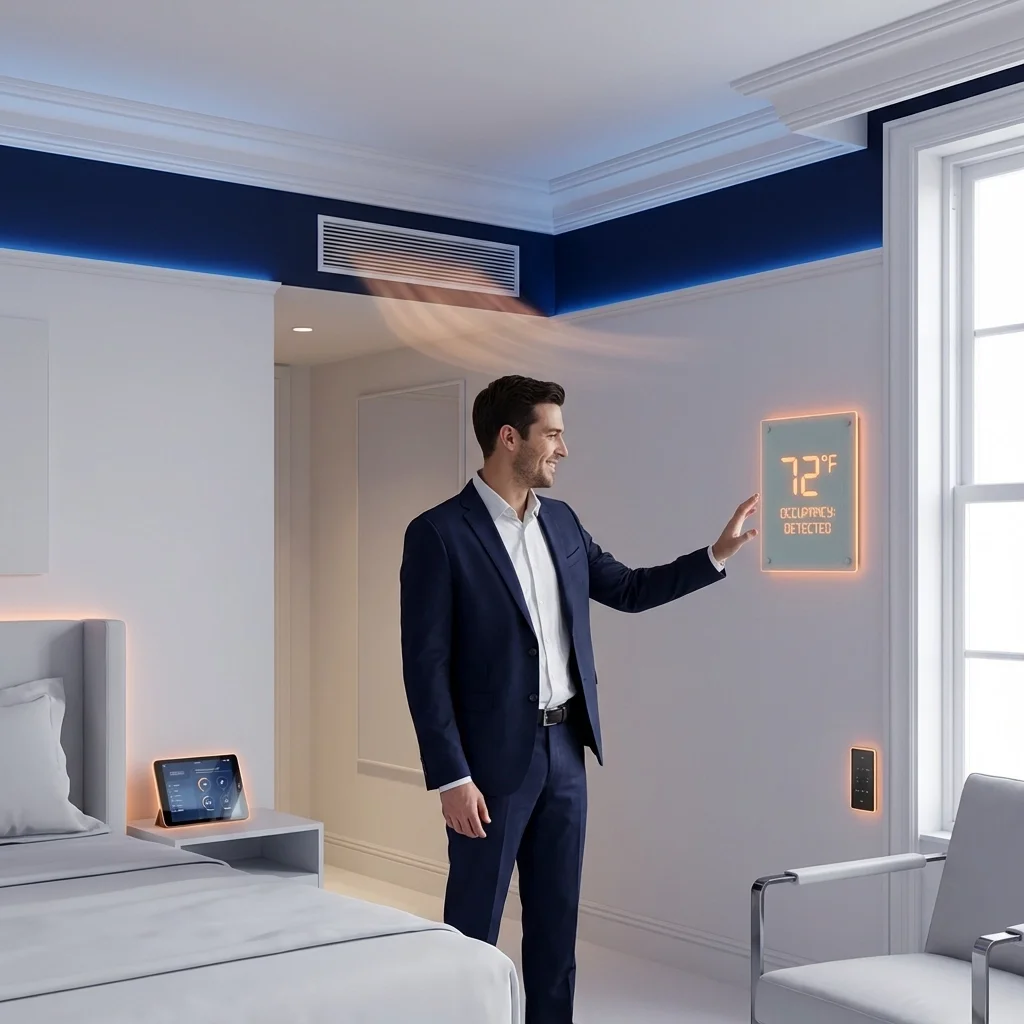
Modern smart thermostats use occupancy sensors to automatically adjust room temperatures when guests aren't present. This means rooms cool down or warm up when empty, then return to comfortable levels before guests return. Hotels using these systems consume 28% less energy per guest room at 80% occupancy compared to traditional setups.
Zone-Based Climate Management
Instead of heating or cooling your entire property uniformly, zone-based systems allow you to adjust temperatures in different areas based on actual usage. Conference rooms, restaurants, and guest corridors can all operate on different schedules, ensuring comfort when needed while avoiding waste when areas are unoccupied.
Predictive HVAC Analytics
Advanced systems analyze guest behavior patterns and weather forecasts to anticipate demand. These systems achieve prediction accuracy rates above 97.5%, allowing your HVAC to prepare for peak usage periods while maintaining efficiency during low-demand times.
2. Illuminate Savings with Smart Lighting Solutions
Lighting represents another significant opportunity to reduce energy costs while improving the guest experience. Smart lighting systems automatically adjust brightness and color temperature throughout the day, creating the perfect ambiance while eliminating waste.
Occupancy-Responsive Lighting
Motion sensors in guest rooms, hallways, and common areas ensure lights are only on when needed. Unlike basic motion sensors that simply turn lights on and off, smart systems can dim lights gradually and adjust color temperature based on time of day and natural light availability.
Customizable Guest Room Lighting
Give guests control over their environment with smart switches that remember preferences. When guests check in, their rooms can automatically adjust to their preferred lighting levels, creating a personalized experience while ensuring lights aren't left on unnecessarily.
Common Area Optimization
Lobbies, restaurants, and meeting spaces can use daylight harvesting systems that automatically adjust artificial lighting based on natural light levels. This maintains consistent illumination while significantly reducing electricity usage during peak daylight hours.
3. Streamline Water Usage Without Compromising Service
Water heating often accounts for 15-25% of hotel energy consumption. Smart water management systems can reduce this significantly while actually improving guest satisfaction through consistent temperature and pressure.
On-Demand Hot Water Systems
Instead of constantly heating large tanks, on-demand systems heat water as needed. Combined with smart circulation pumps, guests get hot water instantly while you eliminate the energy waste of maintaining tank temperatures 24/7.
Smart Leak Detection and Flow Management
IoT sensors can detect leaks and unusual water usage patterns in real-time, preventing waste and costly repairs. These systems can also regulate flow rates to maintain excellent pressure while reducing overall consumption.
4. Harness the Power of Energy Management Software
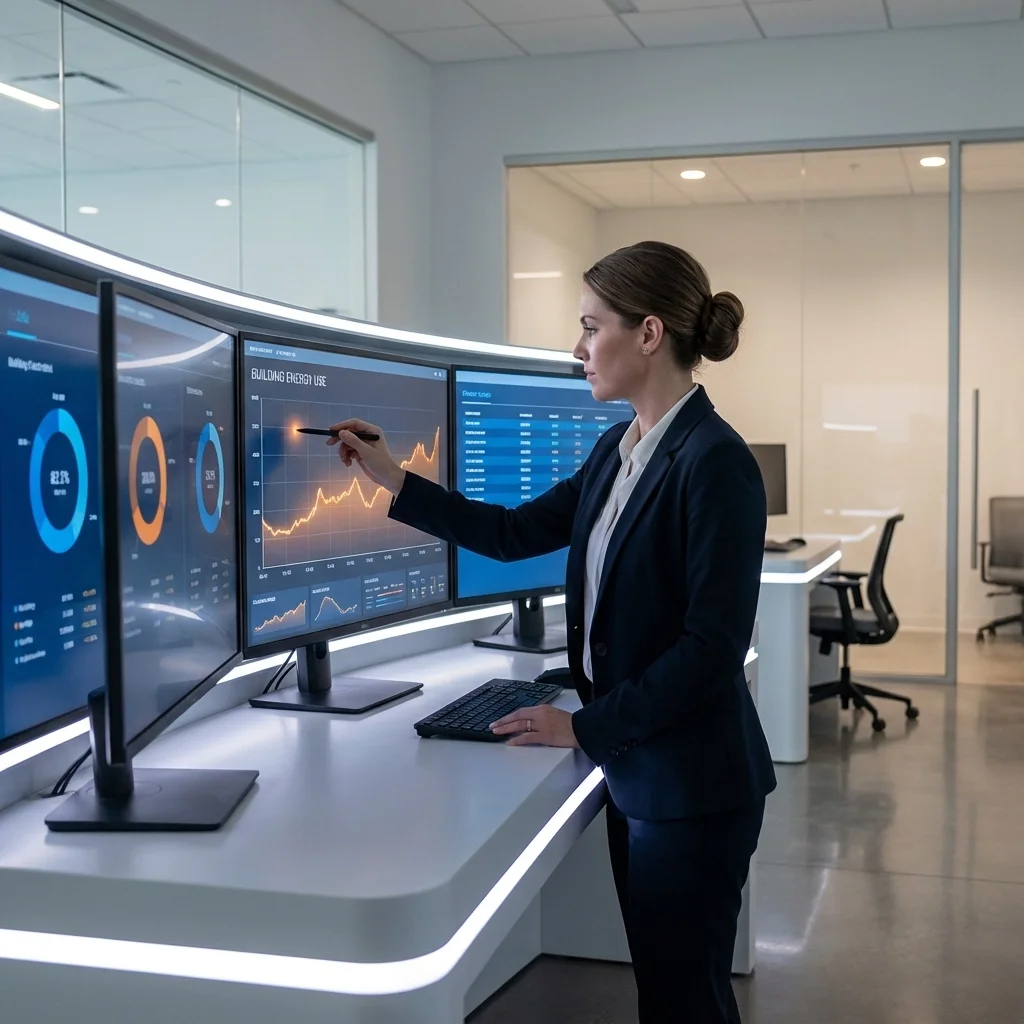
Energy management software transforms your approach from reactive to proactive. Instead of simply paying utility bills, you gain deep insights into consumption patterns and identify specific opportunities for savings.
Modern platforms integrate with your property management system to correlate energy usage with occupancy, weather, events, and other factors. This integration is crucial: 65% of realized energy savings come from smart system integration, with the remaining 35% from occupancy-responsive controls.
Real-Time Monitoring and Alerts
Get instant notifications about equipment malfunctions, unusual consumption spikes, or maintenance needs. This prevents small issues from becoming expensive problems while ensuring guest comfort is never compromised.
Automated Demand Response
During peak electricity rate periods, your system can automatically reduce non-essential consumption while maintaining all guest-facing services. This can significantly reduce demand charges without any impact on the guest experience.
5. The Strategic Value of Professional Energy Consulting
While technology provides the tools, energy consulting provides the strategy. Professional consultants understand wholesale energy rates, contract negotiations, and market timing that can save your property thousands annually.
Contract Optimization
Energy consultants analyze your historical usage patterns and help negotiate favorable energy contracts that align with your actual consumption profiles. This is especially valuable in deregulated markets where supplier competition can significantly reduce costs.
Utility Management Expertise
Professional utility management goes beyond basic bill paying. Consultants identify billing errors, ensure you're on optimal rate schedules, and help you take advantage of efficiency rebates and incentives.
6. Real Results: What Hotels Are Achieving
The data speaks for itself. Hotels implementing comprehensive energy management strategies are seeing impressive results:
41% decrease in gas consumption and 17% reduction in electricity usage through integrated smart systems
15% reduction in total electricity consumption while maintaining optimal guest comfort through AI-powered management
30% overall reduction in kilowatt-hour consumption with proper system integration
These aren't theoretical savings: they're real results from hotels that prioritized both guest experience and energy efficiency.
7. Enhanced Guest Satisfaction Through Sustainability
Today's guests increasingly value sustainability. Hotels that implement visible energy efficiency measures often see improved guest satisfaction scores and increased repeat bookings.
Personalized Comfort
Smart systems ensure rooms are always at the perfect temperature when guests arrive. Instead of entering a room that's too hot or too cold, guests experience immediate comfort that adapts to their preferences.
Eco-Friendly Options
Offering guests "green mode" options in their rooms can provide an additional 10% energy savings while making environmentally conscious travelers feel good about their choice to stay with you.
Consistent Service Quality
Energy-efficient systems are often more reliable and consistent than older equipment. Guests experience fewer temperature fluctuations, more consistent hot water, and better overall comfort.
Getting Started with Energy Optimization
You don't need to overhaul your entire property overnight. Start with high-impact areas like guest room HVAC and common area lighting. Many hotels see payback periods of 18-24 months on smart system investments, with ongoing savings that improve your bottom line year after year.
Consider partnering with energy consultants who understand the hospitality industry. They can help you navigate electricity rates, identify the best technology solutions for your property, and ensure you're maximizing both efficiency and guest satisfaction.
The hospitality industry is evolving, and guests expect both comfort and responsibility. By implementing smart energy management strategies, you're not just reducing energy costs: you're positioning your property as a forward-thinking, guest-focused business that cares about both service quality and environmental impact.
Your guests will notice the difference, your bottom line will thank you, and you'll have taken a significant step toward a more sustainable and profitable future.