
The Power of Choice: How Energy Deregulation Actually Lowers Your Bills
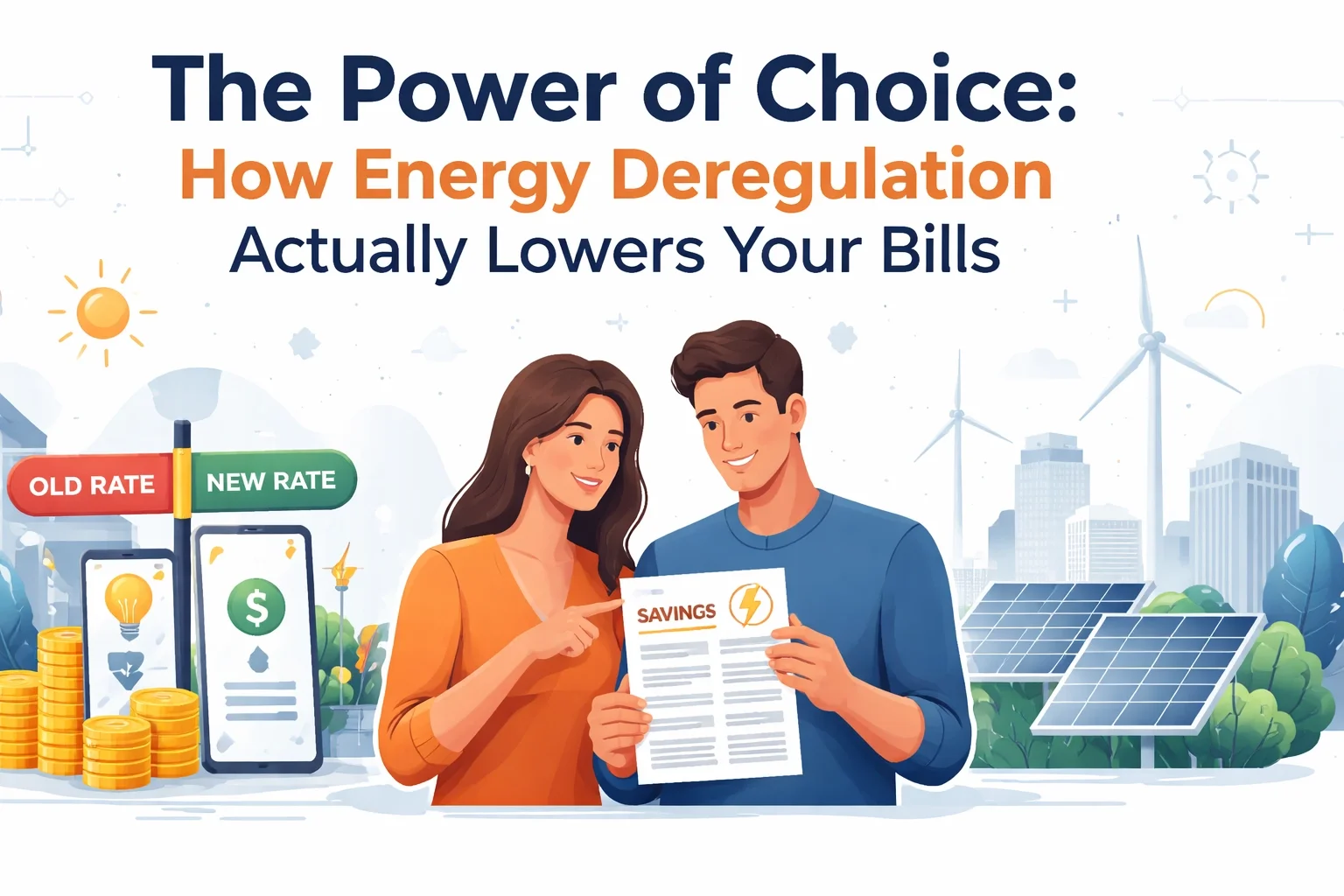
Remember when buying electricity was about as exciting as watching paint dry? You had one utility company, one rate, and zero options. Take it or leave it. Those days are gone for millions of businesses: and your bottom line is better for it.
Energy deregulation might sound like something only policy wonks care about, but here's the thing: it's quietly saving businesses thousands of dollars every year. And if you're not taking advantage of it, you're essentially leaving money on the table while your competitors scoop it up.
Let's break down how this whole deregulation thing actually works and why it matters for your business.
What Exactly Is Energy Deregulation?
Think of the old energy system like a small town with one restaurant. Hungry? Too bad: you're eating whatever they serve at whatever price they charge. Not exactly a recipe for great food or fair prices.
Energy deregulation changed all that. It separated the business of generating and selling electricity from the business of delivering it through power lines. Your local utility still owns and maintains the infrastructure (those wires and poles aren't going anywhere), but they no longer have a monopoly on the energy flowing through them.
Now, multiple energy suppliers compete for your business. That one-restaurant town suddenly has a dozen options, and they're all fighting for your attention with better prices, better service, and better plans.

The Competition Effect: How Rivalry Drives Prices Down
Here's where economics gets fun. When energy suppliers have to compete for customers, something magical happens: they actually have to try.
In a regulated market, utilities have little incentive to cut costs or innovate. Why would they? You're stuck with them anyway. But deregulation flips that script entirely.
Suppliers in deregulated markets must:
Control costs and eliminate waste to stay competitive
Offer attractive pricing to win new customers
Innovate with tailored plans that meet specific business needs
Differentiate themselves through better service and programs
The result? A race to the bottom on pricing: in the best possible way. Providers undercut each other, pass savings to customers, and constantly look for ways to deliver more value. It's capitalism doing exactly what it's supposed to do.
5 Ways Deregulation Puts Money Back in Your Pocket
1. The Power to Shop Around
In a deregulated market, you're not stuck with one supplier's rates. You can compare plans from dozens of providers, hunting for the best deal like you would for any other business expense. New customer incentives are common, and switching providers is typically straightforward.
This shopping flexibility alone can save businesses 10-30% on their energy costs: without changing a single light bulb.
2. Fixed-Rate Stability
Here's something business owners love: predictability. In regulated states, your supply costs can fluctuate monthly based on market conditions. One month you're fine, the next you're blindsided by a spike.
Deregulated markets let you lock in fixed rates for 12, 24, or even 36 months. You know exactly what you're paying, making budgeting infinitely easier. No more energy bill roulette.
3. Custom Plans for Your Specific Usage
A 24-hour data center has very different energy needs than a restaurant that's only open for dinner service. Deregulation created a market for specialized energy plans tailored to specific usage patterns.
High-volume users can negotiate bulk rates. Businesses with predictable usage can lock in favorable terms. Night-shift operations can find plans that reward off-peak consumption. The cookie-cutter approach is dead.
4. Access to Renewable Energy Options
Want to power your business with clean energy? Deregulation made that possible without installing a single solar panel. Green energy plans are now widely available in competitive markets, and some businesses find them surprisingly price-competitive with traditional options.
It's good for the planet and increasingly good for your brand. Customers notice when you make sustainable choices.
5. Energy Efficiency Programs
Competitive suppliers don't just sell you electricity: they help you use less of it. Many providers offer energy efficiency programs, audits, and rebates as a way to differentiate themselves. These programs can significantly reduce your overall consumption and costs.
When providers compete for your loyalty, they find creative ways to earn it.
The Catch: Opportunity Comes with Complexity
Now, here's where we keep it real with you.
Deregulation created incredible opportunities for savings, but it also created a maze of options that can overwhelm even savvy business owners. We're talking:
Dozens of suppliers with different pricing structures
Contract terms loaded with industry jargon
Hidden fees that can eat into your savings
Variable vs. fixed rates with different risk profiles
Renewal clauses that can lock you into unfavorable terms
The energy market doesn't exactly make it easy to comparison shop. Suppliers don't use standardized pricing formats, and the fine print can be... creative. Many business owners end up either overpaying because they chose poorly or avoiding the market entirely because it seems too complicated.
That's a shame, because the savings are real: you just need to know where to find them.

Where an Independent Energy Consultant Fits In
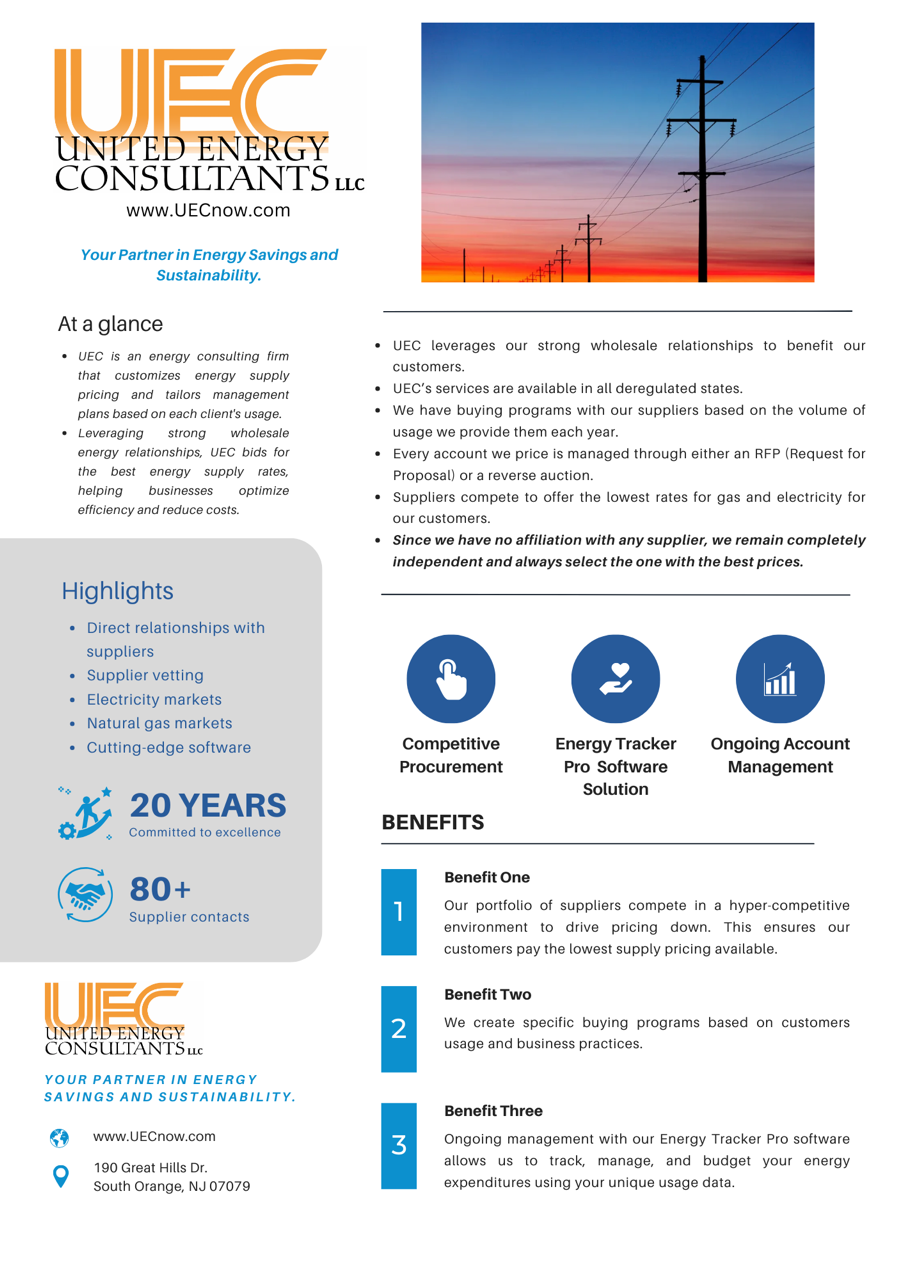
This is where companies like United Energy Consultants come into play. Think of an independent energy consultant as your personal guide through the deregulated energy jungle.
Here's what makes working with an independent consultant different from going it alone:
Access to wholesale rates. Consultants work with 80+ suppliers and can access pricing that's not available to individual businesses shopping on their own. Volume matters in this market.
Apples-to-apples comparisons. A good consultant normalizes all those confusing pricing structures so you can actually compare options fairly. No more guessing which plan is really the best deal.
Contract expertise. Those tricky terms and hidden fees? Consultants know exactly what to look for: and what to negotiate away before you sign.
Zero out-of-pocket cost. Here's the kicker: independent consultants like United Energy Consultants typically get paid by the supplier, not you. You get expert guidance and better rates without paying a dime for the service.
It's like having a real estate agent when buying a house: except for energy contracts.
For a deeper dive into how deregulated and regulated markets compare, check out our analysis: Deregulated Energy States vs. Regulated: Which Saves Your Business More Money?
Is Your State Deregulated?
Not every state has embraced energy deregulation. Currently, businesses in states like Texas, Pennsylvania, New Jersey, New York, Ohio, Illinois, and several others can take advantage of competitive energy markets.
If you're in a deregulated state and still paying default utility rates, you're almost certainly overpaying. The whole point of deregulation was to give you options: but those options only help if you actually use them.
The Bottom Line: Choice Equals Savings
Energy deregulation isn't just policy jargon: it's a fundamental shift that puts real purchasing power back in your hands. Competition forces suppliers to offer better rates. Shopping flexibility lets you find plans that match your actual usage. Fixed rates give you budget predictability. And independent consultants can help you navigate it all without the headache.
The businesses that thrive in deregulated markets are the ones that treat energy as a manageable expense rather than a fixed cost. They shop around. They negotiate. They read the fine print (or hire someone who does).
Ready to see what deregulation can do for your energy costs? United Energy Consultants has been helping businesses in the New York Metropolitan Area find better rates for over 20 years. No cost to you, no obligation: just straight answers about what you could be saving.
Visit www.uecnow.com to get started, or explore more energy insights on our blog.