
Blackout Weekend: How the July 4th 2026 Heat Wave Broke the Grid and Left NJ Businesses in the Dark
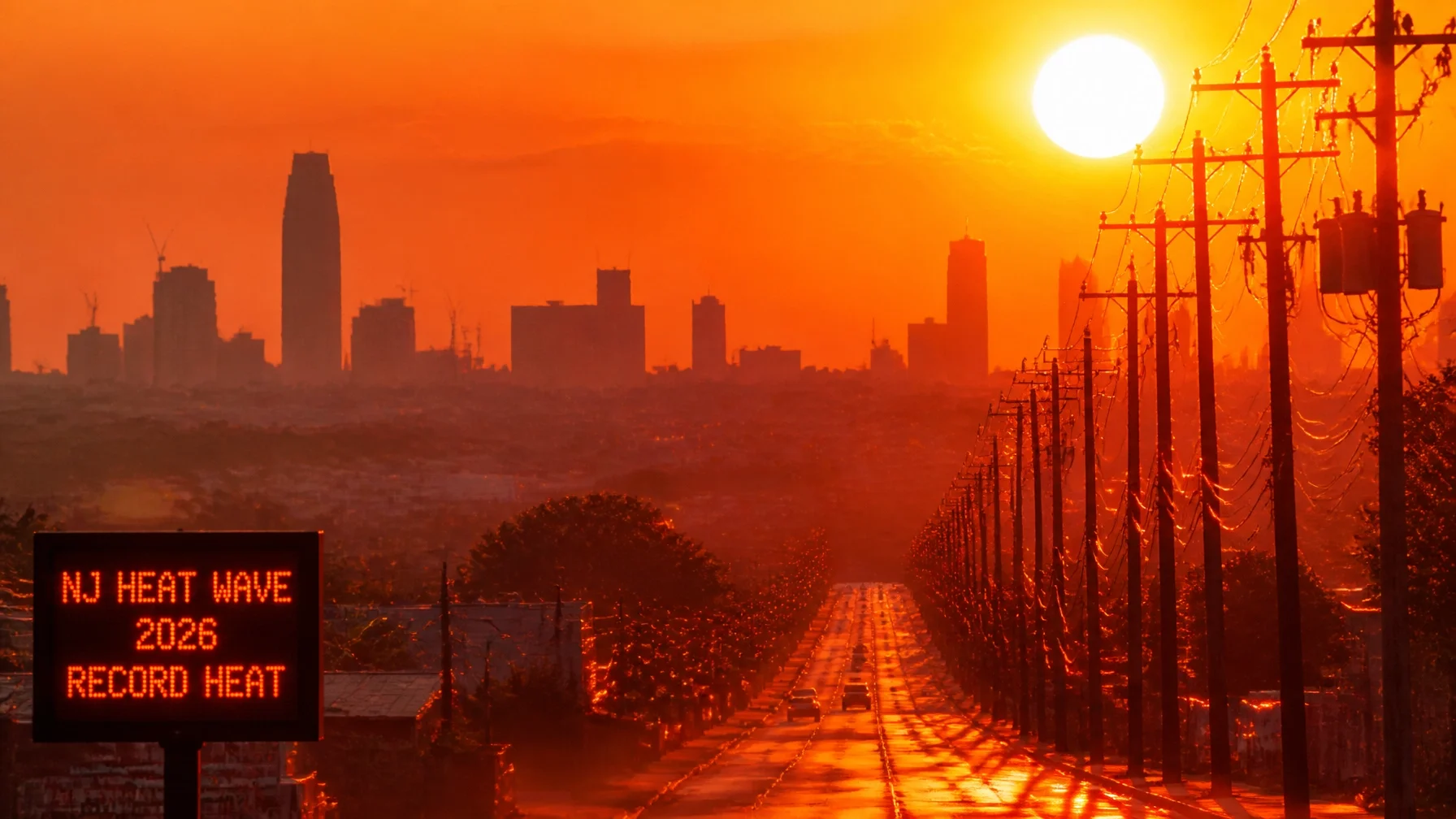
July 4th is typically the busiest weekend of the year for New Jersey’s hospitality and retail sectors. But in 2026, the fireworks were replaced by failing transformers and darkened storefronts. What began as a record-breaking heat wave quickly spiraled into a statewide energy crisis that has left business owners questioning the stability of the grid: and their own bottom lines.
As of today, Monday, July 6, roughly 55,000 New Jersey customers are still without power. For many, restoration isn't expected until Thursday, July 9. This isn't just a weather event; it’s a wake-up call for how business energy costs in NJ are managed during extreme volatility.
The "Perfect Storm" of Record Demand
The crisis began on July 1st. By the time the holiday weekend arrived, the state was trapped in a "heat dome" that pushed temperatures to lethal levels.
The Temperature Records:
Trenton: 101°F
Newark: 105°F
Atlantic City: 106°F
Tragically, the extreme conditions led to 19 heat-related deaths across the state. This unprecedented heat drove air conditioning usage to a breaking point. On July 2, PJM Interconnection (the grid operator for our region) forecasted a record peak demand of 166,304 MW. To put that in perspective, that surpasses the all-time record of 165,563 MW set two decades ago in 2006.
Federal Intervention: Emergency 202c Orders
The strain was so severe that the Department of Energy (DOE) issued an Energy Emergency Alert for the entire PJM territory. This triggered a series of rare "202c" emergency orders, which allowed grid operators to:
Curtail large loads: Forcing major industrial users and data centers to drop off the grid.
Relax environmental restrictions: Temporarily allowing power plants to run at maximum capacity, bypassing normal emission limits to keep the lights on for residential and commercial customers.
When the Sky Broke: The July 3rd Storms
While the heat baked the state, severe thunderstorms on the evening of July 3rd added physical destruction to the grid's thermal stress. Dangerous winds tore through neighborhoods, snapping utility poles like toothpicks.
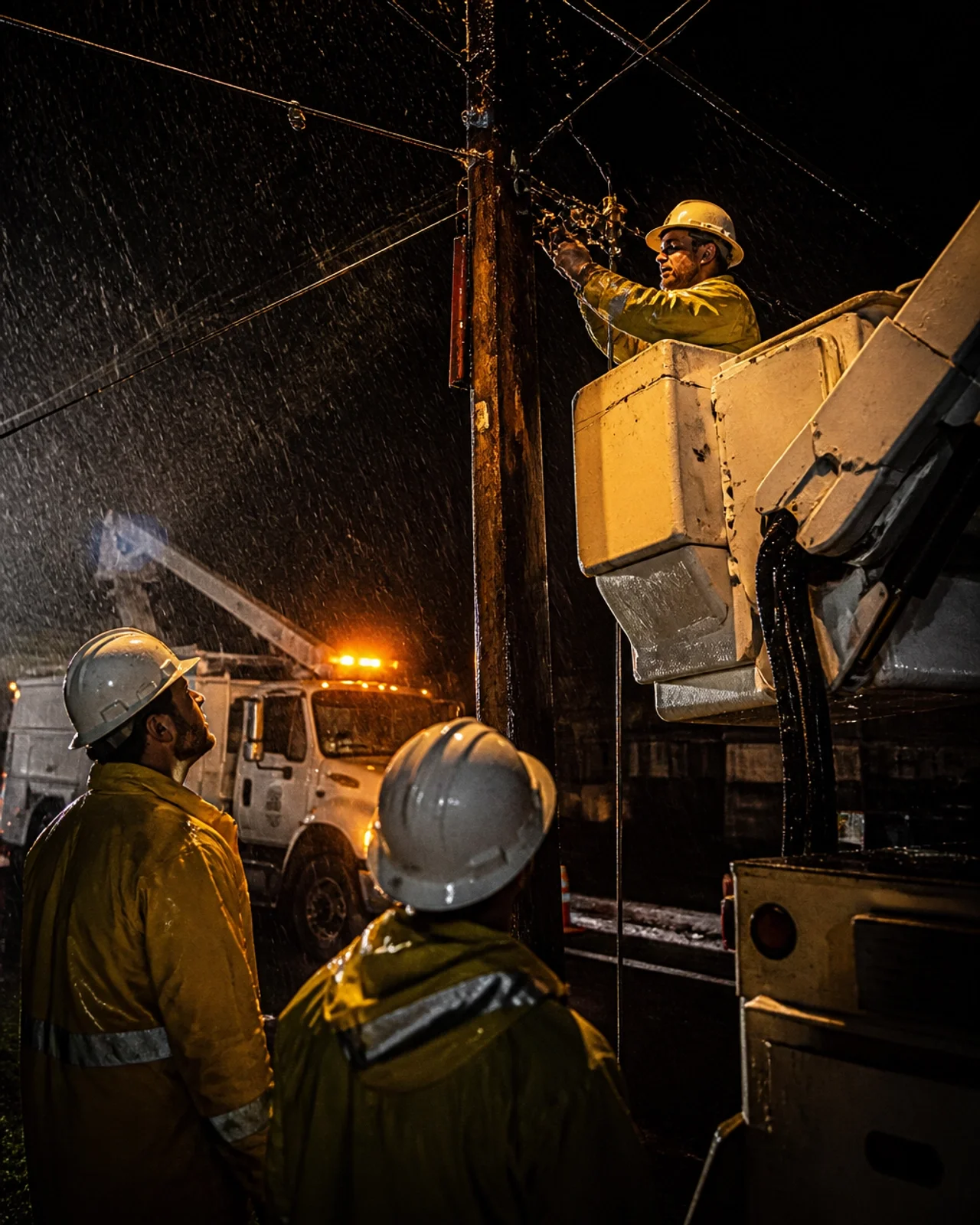
The Damage Assessment:
JCP&L: Initially reported over 210,000 customers lost power.
PSE&G: Reported 165 utility poles snapped or destroyed.
Peak Outage: Roughly 257,000 NJ customers were in the dark simultaneously.
For businesses, this meant more than just a lack of AC. NJ Transit disruptions saw the Morris & Essex and Gladstone lines suspended, stranding holiday travelers and employees alike.
The Economic Aftershock: Wholesale Prices Explode
If your business is on an "index" or "variable" rate, the financial impact of this weekend will be felt long after the power is restored. When the grid is stressed, wholesale energy rates skyrocket.
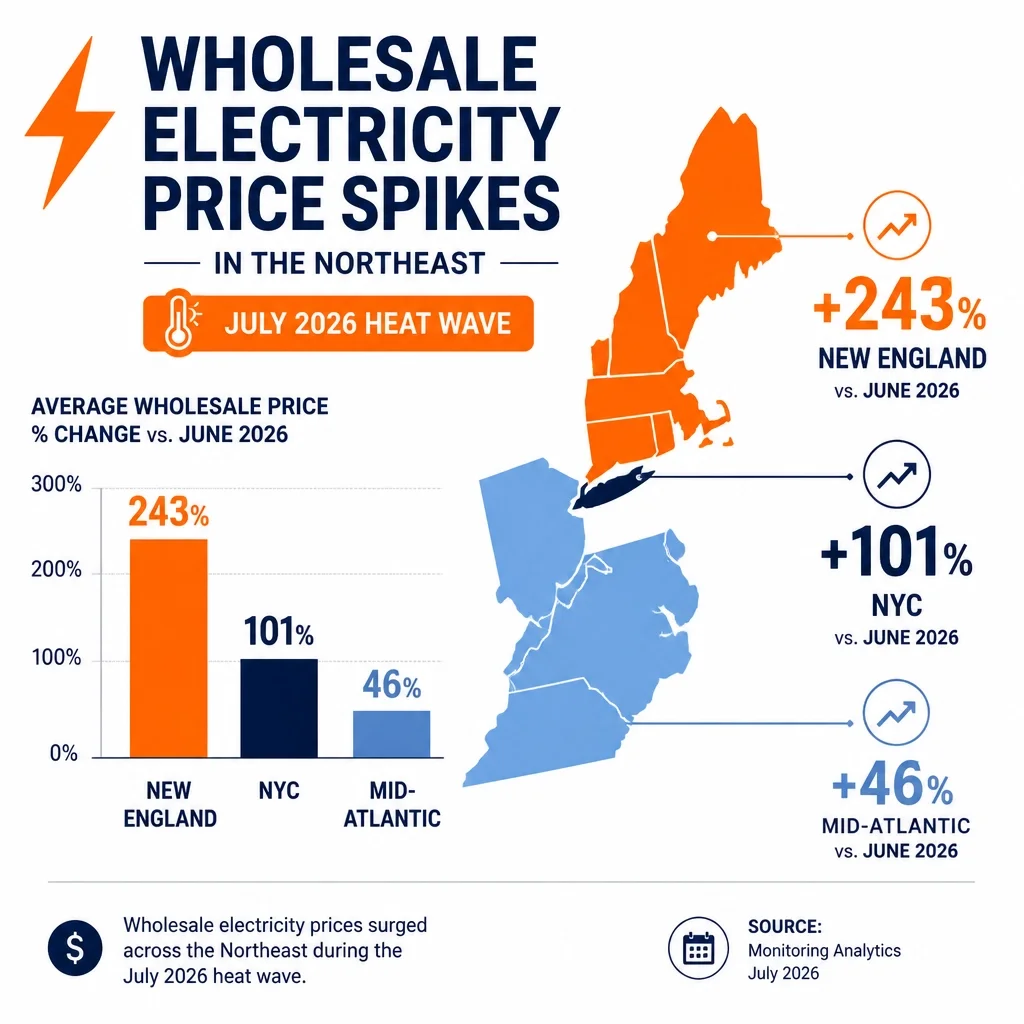
During this event, wholesale electricity prices surged by:
+243% in New England
+101% in NYC
+46% in the Mid-Atlantic (including NJ)
For a high-usage business, a 46% spike in wholesale costs over a holiday weekend can erase an entire month's profit margin in just 72 hours. This is why having a fixed-price energy contract is critical for long-term stability.
How NJ Businesses Were Impacted
No industry was left untouched. Here is how the blackout weekend played out for our clients and neighbors:
1. Restaurants and Food Service
Inventory loss was the biggest killer. Without power for refrigeration, dozens of restaurants were forced to toss thousands of dollars in fresh seafood, meat, and dairy. For those that stayed open, the lack of air conditioning made kitchens unbearable and dining rooms empty.
2. Hotels and Hospitality
July 4th is the peak of the season. Hotels in Atlantic City and along the shore struggled to maintain guest comfort. Those without robust backup generation saw guests checking out early, leading to massive refund requests and damaged reputations.
3. Data Centers
While data centers often have the best backup systems, the DOE emergency orders forced many to switch to on-site diesel generators to save the grid. This increased operational complexity and fuel costs significantly.
4. Real Estate and Retail
Commercial buildings without power became "hot boxes," forcing retail tenants to close and real estate companies to deal with emergency maintenance calls.
Survival Strategy: How to Protect Your Business Next Time
Events like the 2026 Heat Wave are becoming the "new normal." You cannot control the weather, but you can control your NJ power outage 2026 response strategy.
Manage Your PLC Tags
Your Peak Load Contribution (PLC) tag is determined by your usage during the grid's highest demand hours (like the 166,000 MW surge we just saw). If your business was running all its systems at full blast during these peaks, your capacity charges for the entire next year will be significantly higher.
United Energy Consultants (UEC) helps businesses identify these peak windows in real-time so you can curtail usage and lower your long-term costs.
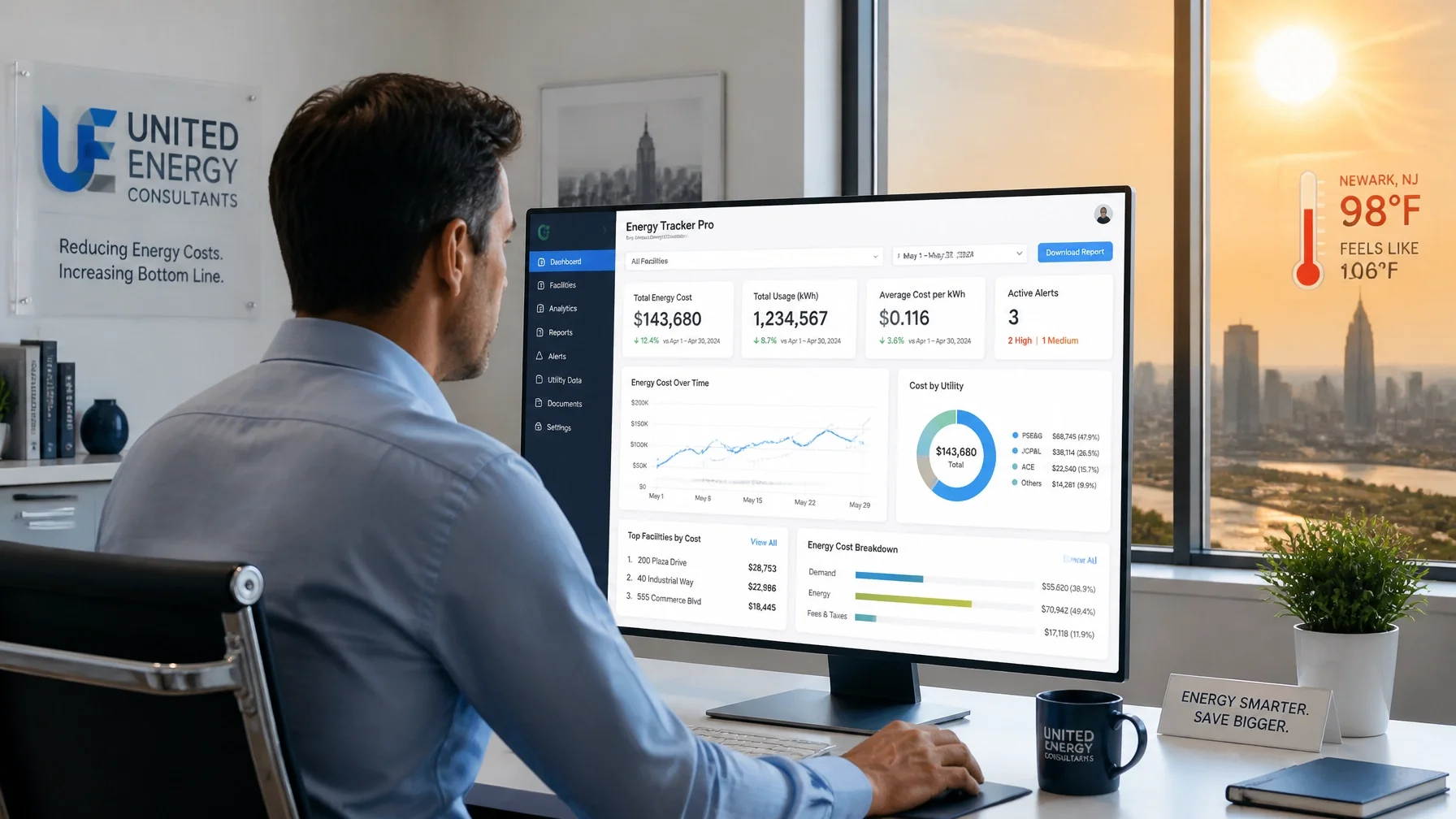
Leverage Energy Tracker Pro
Our proprietary Energy Tracker Pro software allows you to see exactly where your energy is going: and where it's being wasted. In a crisis, data is your best defense.
Don't Wait for the Next Grid Crisis
The July 4th weekend was a warning. As demand grows and the climate shifts, the grid will be tested again. Is your business prepared to handle a 200% price spike or a 5-day outage?
United Energy Consultants is here to help. We are an independent firm with over 20 years of experience helping NJ businesses navigate the most volatile energy markets in history. We work for you, not the utility, and our services come with zero out-of-pocket costs.
Take Action Today:
Request a Free Energy Strategy Audit: We will review your current contracts and usage data to find immediate savings.
Evaluate Your PLC Strategy: Learn how to lower your capacity tags before the next heat wave hits.
Deploy Real-Time Monitoring: Get ahead of price spikes with Energy Tracker Pro.
Contact Peter Kaplan and the UEC team today at www.uecnow.com or call us to secure your business's future.