
The Data Center Fair Share Act Is Law: What NJ Businesses Need to Know About the $1B Ratepayer Relief
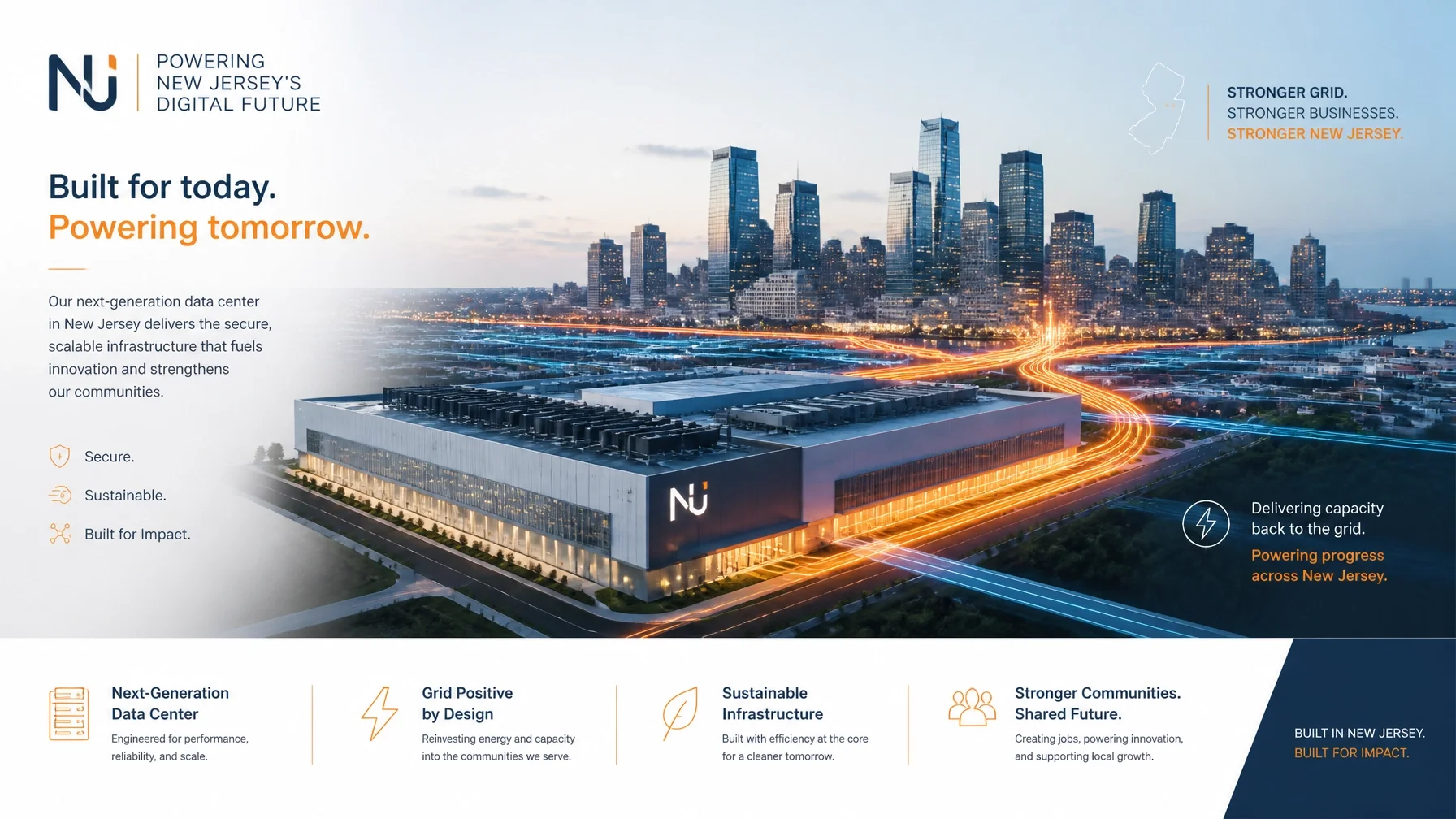
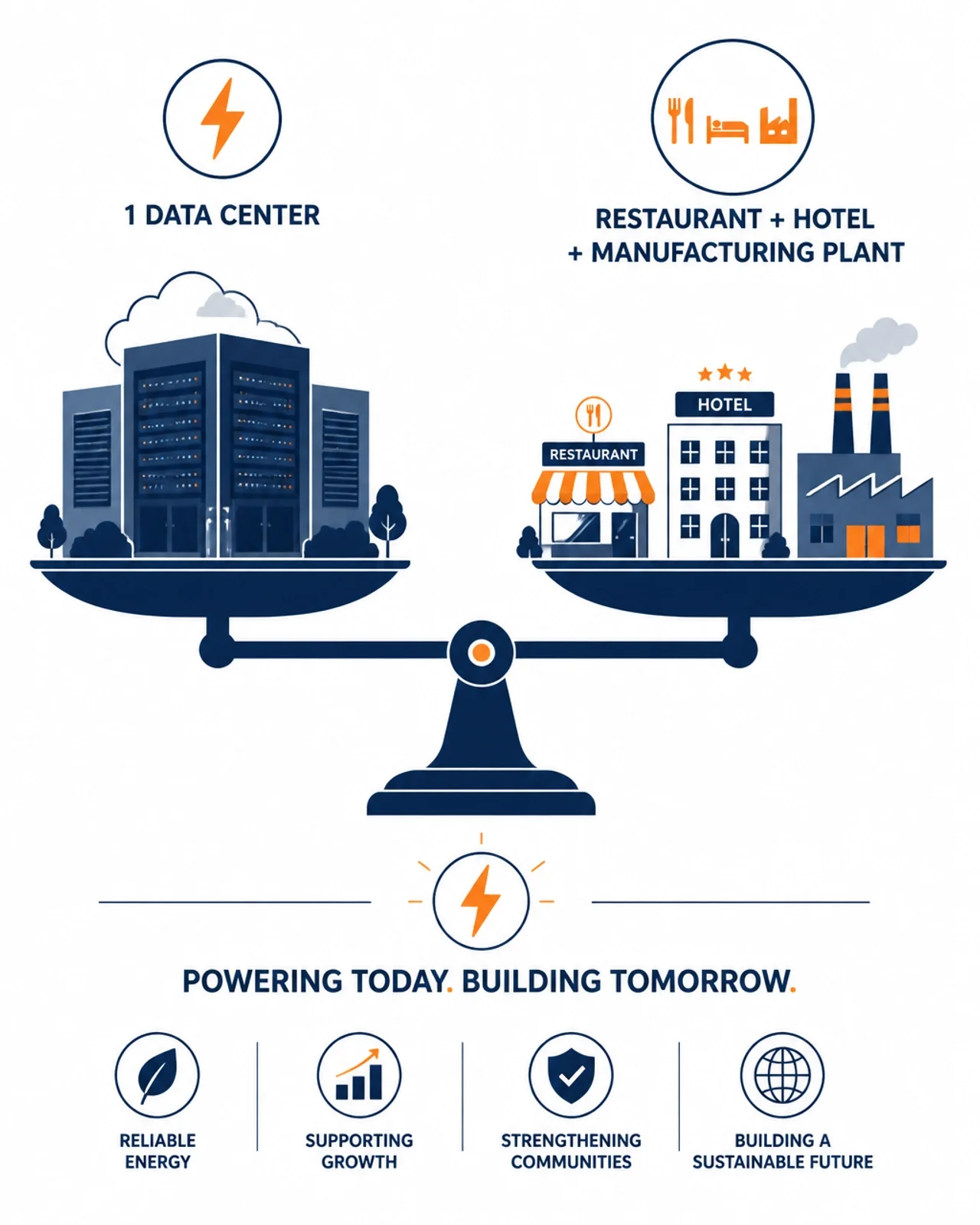
On July 7, 2026, Governor Mikie Sherrill signed a landmark piece of legislation that signals a fundamental shift in New Jersey’s energy landscape: the Data Center Fair Share Act (P.L.2026, c.32). For years, the rapid expansion of massive data centers: the backbone of our modern AI and digital economy: has put unprecedented strain on the state’s electrical grid. Until now, the costs of upgrading that grid were largely socialized, meaning your restaurant, manufacturing plant, or real estate firm was effectively subsidizing the massive energy appetite of global tech giants.
This new law changes the equation. By creating a dedicated ratepayer class for large-scale data centers and mandating that they pay their "fair share" of infrastructure costs, the state projects over $1 billion in annual savings for New Jersey ratepayers.
At United Energy Consultants (UEC), we have been tracking the surge in PJM capacity prices and its impact on our clients’ bottom lines. While this legislation is a massive win for New Jersey businesses, navigating the resulting market shifts requires a strategic approach.
The $1 Billion Shift: Protecting Small and Mid-Sized Businesses
The core objective of the Data Center Fair Share Act is to prevent "cost-shifting." In the past, when a data center requiring 100 megawatts (MW) of power connected to the grid, the utility often passed the costs of the necessary high-voltage transmission lines and substation upgrades to all customers.
Under the new law, any data center with a demand threshold of 50MW or greater is now placed into its own distinct ratepayer class. This allows the Board of Public Utilities (BPU) to ensure that:
Infrastructure Accountability: Utilities must ensure data centers pay for 100% of the upgrades required specifically to serve their load.
No Cross-Subsidization: Standards are now in place to guarantee that residential and business customers are no longer footing the bill for the massive grid reinforcements required by AI-driven demand.
Stranded Asset Protection: If a data center closes or reduces its footprint, the law prevents the remaining costs of that infrastructure from being dumped onto other ratepayers.
Understanding the PJM Context: Why Your Rates Hit 20% Hikes
To appreciate why this law is so critical right now, we have to look at the broader wholesale market. The PJM Interconnection, which manages the grid across 13 states including New Jersey, recently saw its capacity prices hit a FERC-approved cap of $329.17/MW-day for the 2026/2027 delivery year.
For many New Jersey businesses, this wholesale surge, combined with rising transmission costs and fuel volatility, has translated into retail rate hikes of 20% or more.
Capacity Scarcity: As older power plants retire and data center demand skyrockets, the "buffer" of available electricity has shrunk, driving prices to record highs.
Reliability Risks: Large data centers operate 24/7 at nearly 100% load, leaving little room for error during extreme weather events.
The Fair Share Act addresses this by requiring data centers to commit to paying for 85% of their requested service for a minimum of 10 years, regardless of actual usage. This "take-or-pay" style commitment ensures that the capacity being reserved for these facilities is actually funded by them, providing much-needed stability to the market.
Grid Resilience: Businesses No Longer "Last in Line"
One of the most impactful provisions for industries like manufacturing and hospitality is the new curtailment priority. Historically, during grid emergencies or periods of extreme stress, utilities would sometimes initiate rolling blackouts or demand reductions that hit residential areas and commercial zones indiscriminately.
The Data Center Fair Share Act mandates that data centers must reduce their demand during grid stress BEFORE residential or business customers face service reductions. By making data centers "first in line" for firm load shedding, the state is prioritizing the continuity of essential local commerce and residential safety.
For more on how recent grid crises have impacted the state, read our analysis on the July 4th grid crisis.
The Demand Offset Program: A First-of-Its-Kind Opportunity
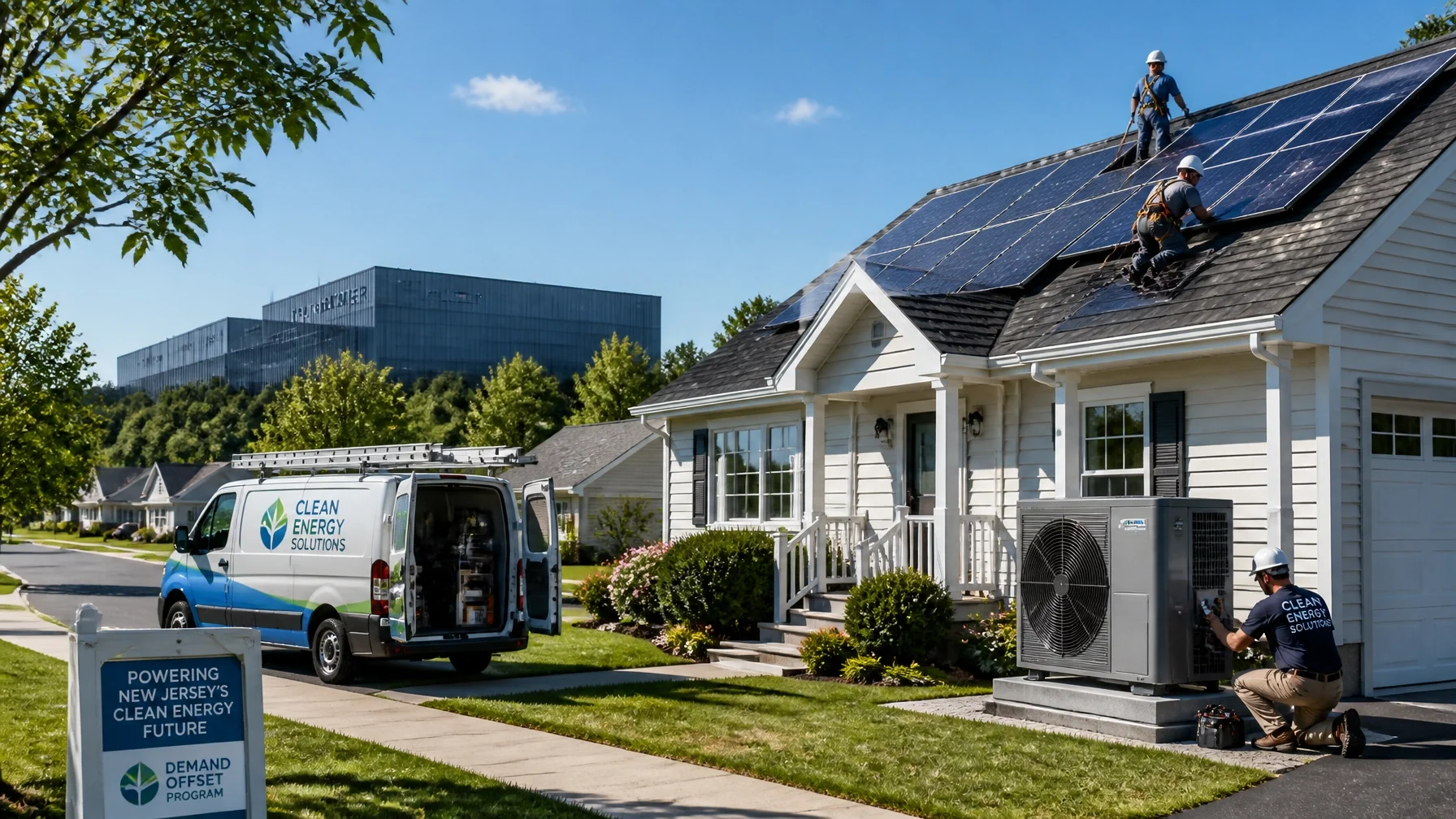
Perhaps the most innovative part of the legislation is the Demand Offset Program. This program allows data centers to offset their massive capacity obligations by funding distributed energy resources (DERs) for other customers in the state.
Imagine a data center funding the installation of:
Heat Pumps for a local restaurant chain.
Rooftop Solar and Battery Storage for a manufacturing plant.
Energy Efficiency Upgrades for multi-family real estate developments.
In exchange for this funding, the data center receives priority in the interconnection queue and credits toward their capacity obligations. This creates a "win-win" scenario where the largest energy users in the state are directly financing the decarbonization and cost-reduction efforts of the businesses around them.
Beyond Data Centers: Repealing the Utility "Adders"
Governor Sherrill also signed companion bills that eliminate unnecessary transmission subsidies. Specifically, the state has moved to eliminate the return-on-equity (ROE) "adder" that utilities were previously allowed to collect on transmission projects.
For decades, utilities received a premium: an extra percentage of profit: simply for completing infrastructure projects. By removing these "adders" and increasing state oversight on large-scale infrastructure, New Jersey is tightening the belt on utility spending, further contributing to the projected $1 billion in annual ratepayer relief.
How Your Business Should Respond: The UEC Strategy
While the Data Center Fair Share Act is a major legislative victory, it does not mean your energy bill will automatically drop tomorrow. The energy market remains volatile, and the $1 billion in projected savings will roll out over time as new tariffs are implemented and infrastructure projects are re-evaluated.
Now more than ever, New Jersey businesses: from restaurant owners to real estate companies: need a proactive energy procurement strategy.
1. Independent Wholesale Procurement
As an independent energy consulting firm with over 20 years of experience, United Energy Consultants (UEC) works for you, not the utility or the supplier. We navigate the complexities of the PJM market to secure the best wholesale energy rates, ensuring you aren't paying a penny more than necessary for your capacity and energy components.
2. Strategic Demand Management
With the new Demand Offset Program coming online, there may be opportunities for your business to receive funding for energy upgrades. We help our clients identify these incentives and integrate them into a long-term sustainability plan.
3. Energy Tracker Pro
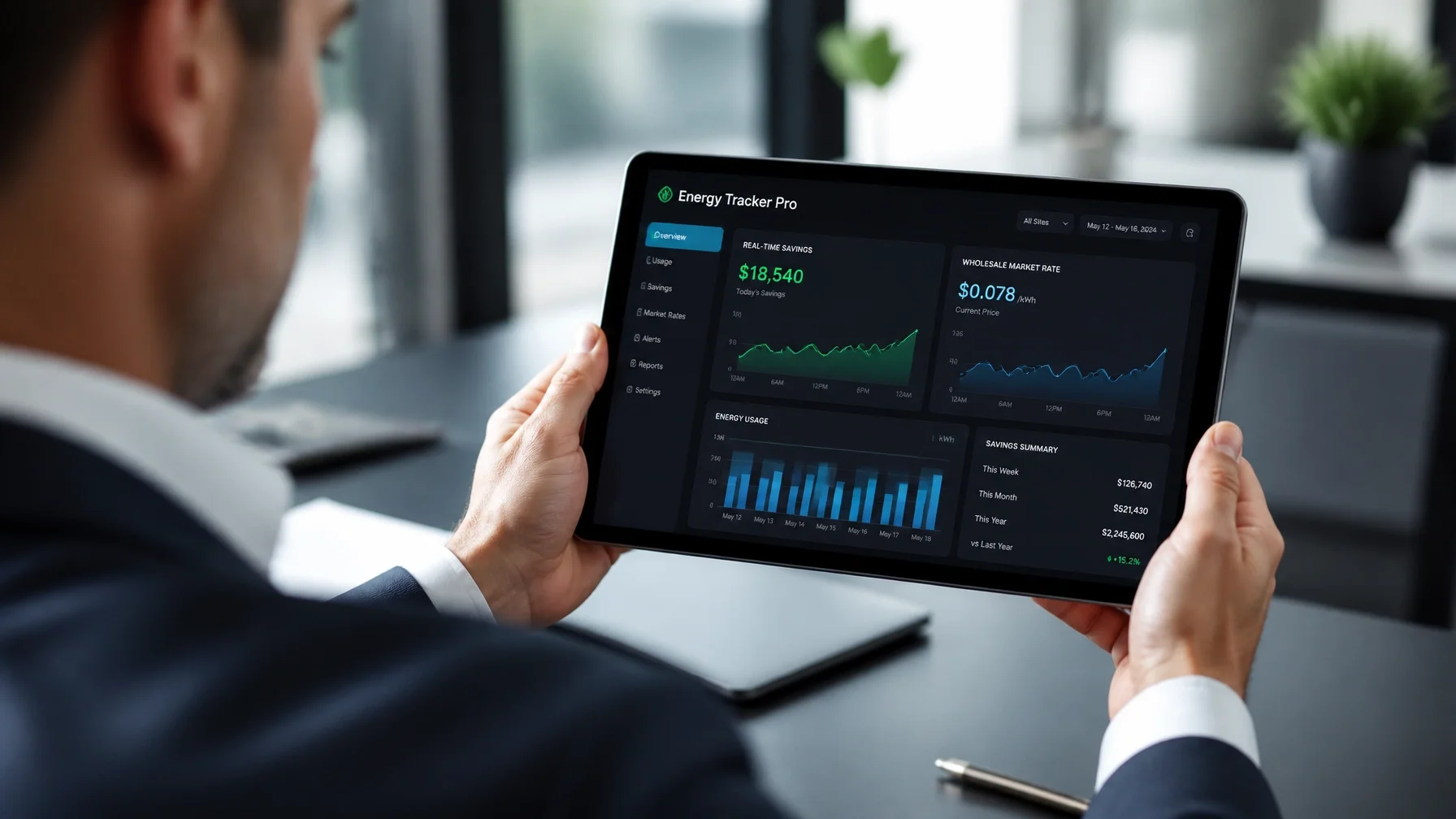
Data is your best defense against rising costs. Our proprietary Energy Tracker Pro software provides real-time utility management, allowing you to see exactly where your energy dollars are going. By monitoring your usage patterns, we can identify "leaks" in your efficiency and help you capitalize on demand-response opportunities.
Conclusion: A New Era for New Jersey Energy
The Data Center Fair Share Act is a bold step toward a more equitable energy future in New Jersey. By ensuring that the industries driving the most demand are also the ones paying for the most infrastructure, the state is protecting the diverse ecosystem of manufacturing plants, hotels, and small businesses that make our economy thrive.
However, legislation is only one piece of the puzzle. To truly minimize your energy footprint and maximize your savings, you need a partner who understands the nuances of the deregulated market.
Ready to see how the Data Center Fair Share Act affects your bottom line?
Contact United Energy Consultants today for a zero-out-of-pocket energy audit and discover how our independent strategies can protect your business from the next wave of rate hikes.