
Demand Response Programs: How Your Business Can Turn Energy Usage Into Savings in 2026
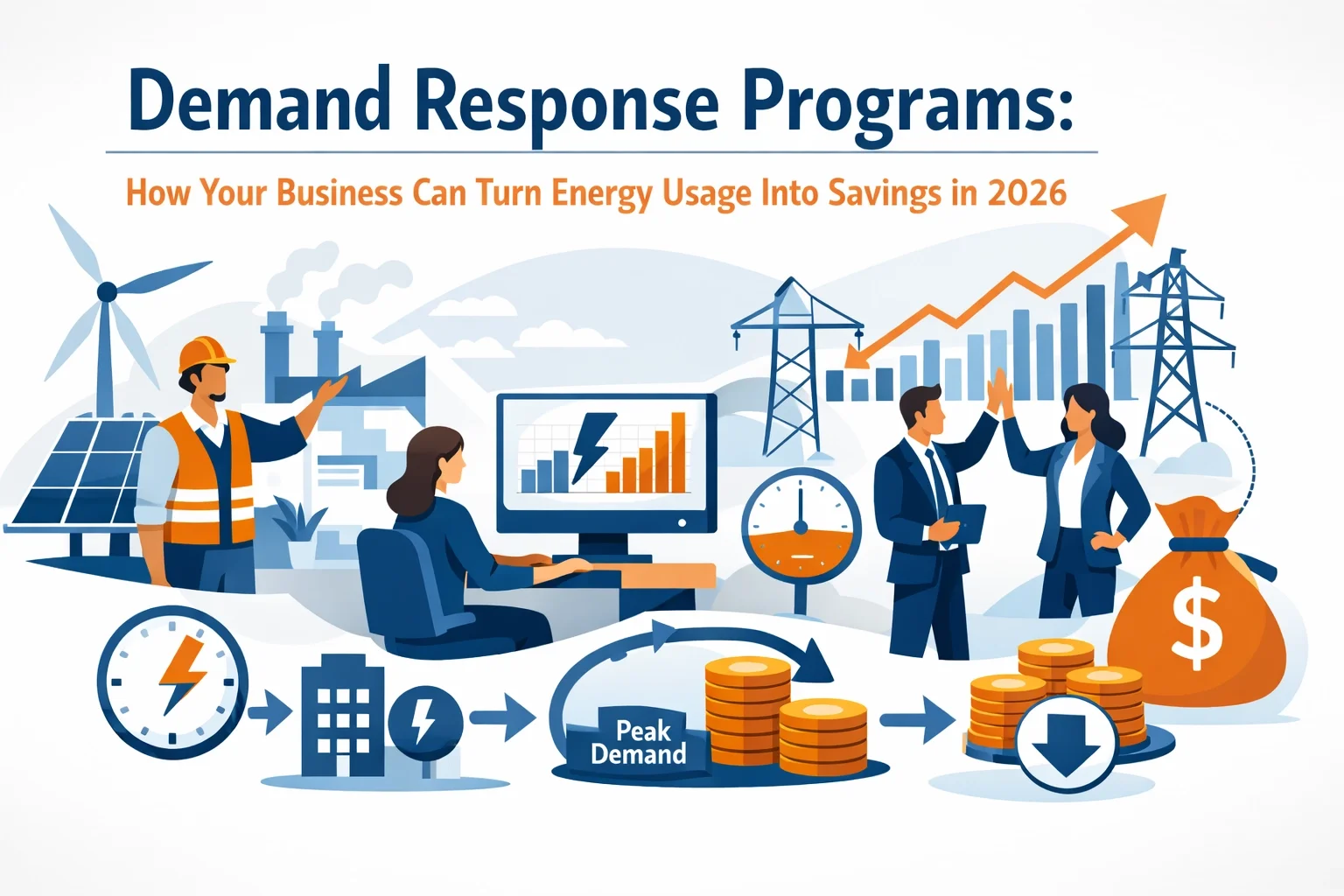
As we navigate the first quarter of 2026, the energy landscape for New York and the Tri-State area has become increasingly complex. With natural gas prices seeing recent jumps of 27% and the grid facing unprecedented pressure from the rapid expansion of data centers and electrification, business owners are searching for more than just a cheaper rate: they are searching for a strategy.
One of the most powerful, yet frequently misunderstood, tools in a modern energy portfolio is the Demand Response (DR) Program. Far from being a simple "lights out" initiative, Demand Response in 2026 has evolved into a sophisticated revenue-generating strategy that allows commercial and industrial facilities to act as "virtual power plants."
At United Energy Consultants (UEC), we’ve spent over 20 years helping businesses transform their energy from a fixed overhead cost into a flexible asset. Here is everything you need to know about turning your energy usage into a revenue stream this year.
💡 What Is a Demand Response Program?
At its core, a Demand Response Program is a contractual agreement where a business agrees to temporarily reduce its electricity usage during periods of extreme stress on the power grid. In exchange for this flexibility, the utility or the grid operator (such as NYISO in New York or PJM in New Jersey) pays the business.
Think of it as the grid operator "buying back" capacity from you rather than firing up an expensive, high-emission "peaker" power plant.
There are three primary ways these payments manifest:
Capacity Payments: You are paid simply for being "on-call" and ready to reduce load if needed.
Energy Payments: You are paid for the actual kilowatt-hours (kWh) you shed during a specific event.
Grid Synchronized Reserves: Higher-tier payments for businesses that can respond almost instantaneously.
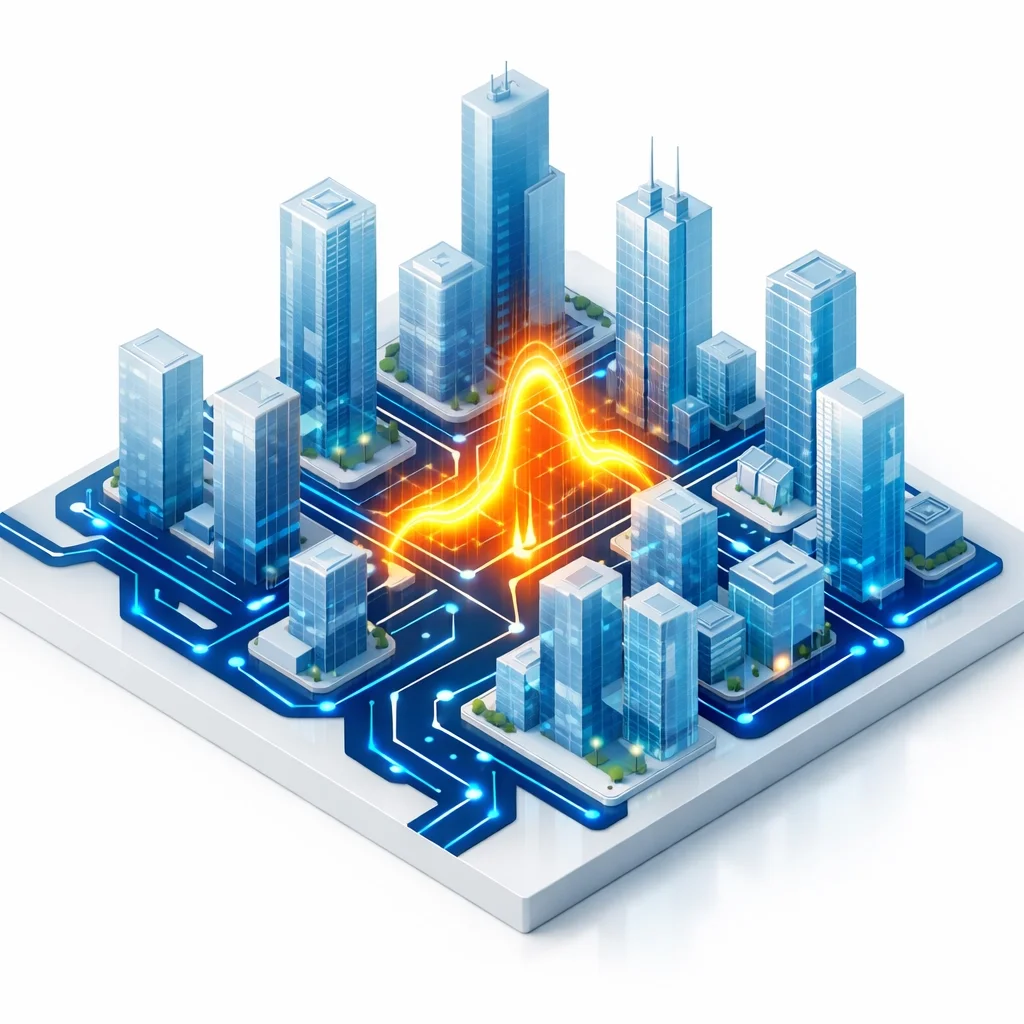
A modern digital dashboard showing real-time energy demand fluctuations and capacity availability.
🔌 Why Do Demand Response Programs Exist?
The electricity grid must maintain a perfect balance between supply and demand at all times. When demand spikes: usually during a sweltering July afternoon in Manhattan or a record-breaking cold snap in January: the grid approaches its limit.
In the past, the solution was to build more power plants. In 2026, the solution is "Smarter Energy." Demand Response programs exist to:
Prevent Blackouts: By reducing load when the grid is strained, participants help prevent wide-scale outages.
Control Market Prices: By lowering peak demand, DR helps keep wholesale electricity prices lower for everyone.
Environmental Impact: It reduces the need to run the oldest, dirtiest power plants that are only used during emergencies.
For a deeper dive into how these market dynamics affect your long-term costs, see our guide on navigating New York’s energy market.
💰 How Your Business Benefits: The Win-Win
Participating in a DR program is often described as a "win-win," but for the CFO or business owner, the "win" is measured in the bottom line.
1. Direct Financial Incentives
This is not a discount on your bill; it is often a direct check or credit. For example, research shows that a medium-sized manufacturing facility can earn over $100,000 annually by strategically managing its peak loads.
2. Strategic Operational Insights
When you enroll in a DR program with UEC, we utilize our proprietary Energy Tracker Pro software. This gives you a "god-view" of your facility’s consumption. Many of our clients discover they are wasting thousands of dollars on energy during non-peak times simply because they never had the data to see it.
3. Sustainability Credits
In 2026, corporate responsibility is a metric of success. Participation in DR is a quantifiable way to demonstrate your commitment to a stable, green grid without requiring the massive capital expenditure of a full solar array or wind farm.
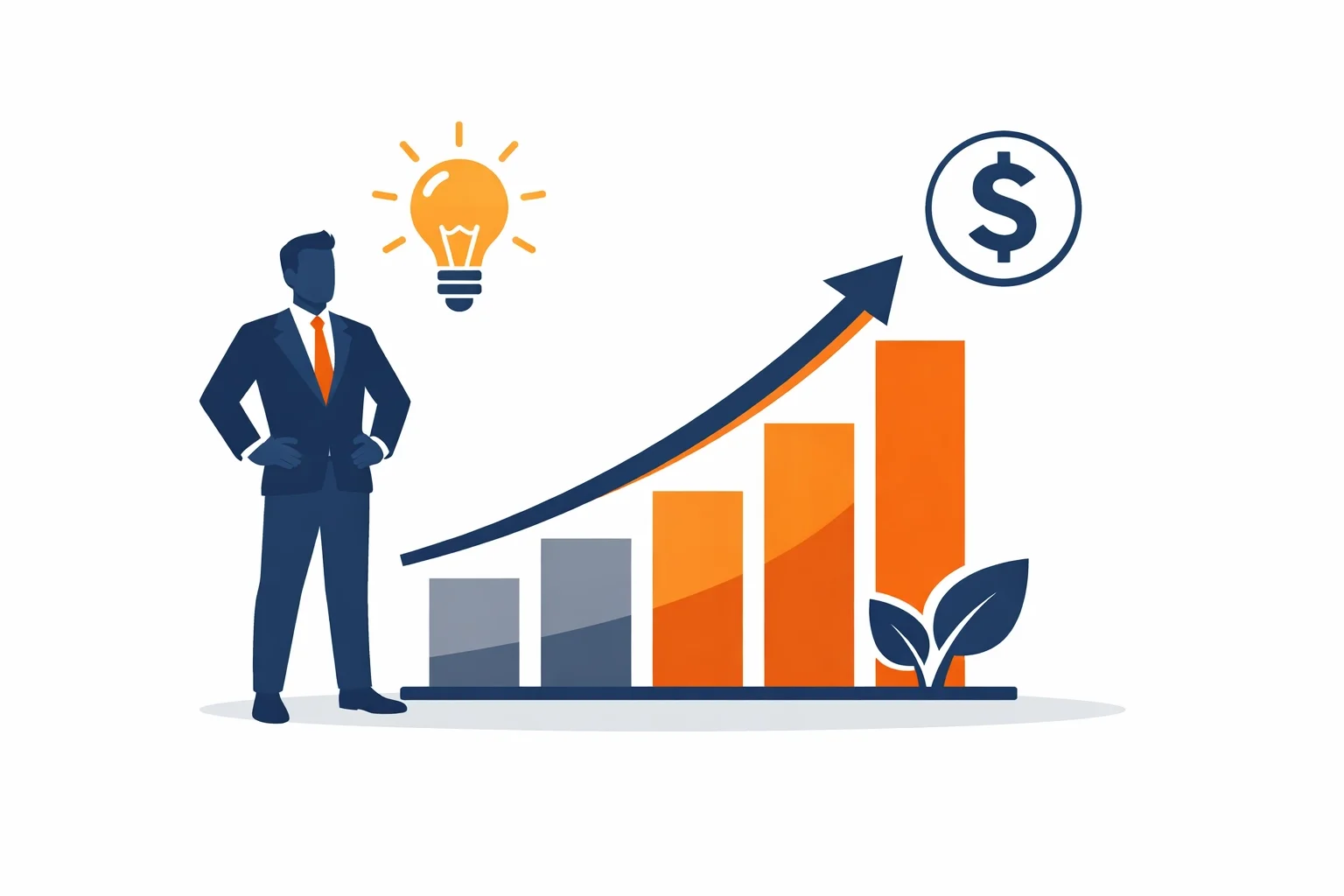
A bar graph comparing a business's traditional energy demand curve versus a managed 'Demand Response' curve, highlighting the reduction during peak hours.
🏢 Is Your Business a Good Fit?
While almost any business can participate, certain sectors in the Tri-State area are uniquely positioned to maximize these savings.
Manufacturing & Industrial: Facilities that can shift production shifts or delay energy-intensive processes by just two to four hours are the "gold standard" for DR.
Commercial Real Estate: Large office buildings can pre-cool their spaces in the morning and slightly adjust HVAC setpoints in the afternoon without tenants even noticing a difference.
Data Centers: With the current boom in AI and data processing, data centers are facing a unique energy crisis. Using on-site generation or temporary load-shedding can save millions.
Hotels & Hospitality: By managing lighting in common areas and optimizing laundry schedules, hotels can cut costs while maintaining a premium guest experience. You can read more about hospitality energy strategies here.
⚙️ How It Works: The 4-Step Process
At United Energy Consultants, we strip away the complexity. The process typically follows this lifecycle:
The Energy Audit & Enrollment: We analyze your historical interval data to see how much "sheddable" load you have. We then match you with the program that offers the highest payout for your specific profile.
The Notification: When a grid event is triggered (usually with 2-hour to 24-hour notice), you receive an alert via our Energy Tracker Pro app or SMS.
The Reduction: You execute your pre-planned reduction strategy. This might mean dimming lights, adjusting thermostats by 2 degrees, or pausing a specific production line.
The Payout: Once the event is over, the grid operator verifies the reduction against your baseline, and you receive your incentive payment.

🤝 Why Work With United Energy Consultants?
The biggest mistake businesses make is trying to navigate these programs alone. Utility programs are intentionally dense, and "7-energy-contract-mistakes" are all too common when you don't have an advocate.
The UEC Advantage:
20+ Years of Experience: We’ve been serving the New York Metropolitan area since the early days of deregulation. We know the players, the programs, and the pitfalls.
Independent Brokerage: We aren't tied to a single supplier. We vet over 80 suppliers to ensure you are getting the best terms.
Zero Out-of-Pocket Costs: Our consulting fees are performance-based. If we don’t find you savings or revenue, you don’t pay us.
Energy Tracker Pro: Our proprietary software makes participation effortless. It tracks your baseline, predicts peak days, and ensures you are fully compliant with program requirements so you never miss a payout.
Whether you are looking for energy-saving strategies for cold storage or trying to lock in a fixed-price contract for 2026 stability, our team is here to simplify the process.
🌱 Smarter Energy, Stronger Business
In 2026, being "energy efficient" is no longer enough. To remain competitive in the Tri-State market, businesses must be "energy intelligent." Demand Response is the bridge between simple conservation and active market participation.
By turning your energy usage into a strategic asset, you aren't just saving money: you're generating it. You are also ensuring that the grid we all rely on remains stable and sustainable for years to come.
📞 Ready to Get Started?
Don't leave money on the table this summer. At United Energy Consultants, we specialize in identifying hidden opportunities like Demand Response for businesses of all sizes.
Contact us today for a free, zero-obligation energy analysis and let us show you how much your energy flexibility is actually worth.